Healthy Habits: Go Meatless (at least) One Day A Week

One of my New Year’s resolutions this year was to come up with monthly “resolutions” for myself and for anyone who follows this blog.  Cooking Light magazine (which is one of my favorite sources of recipes and ideas for healthy living) had the same idea, so I am shamelessly borrowing their healthy habits!  So, for August, think about setting a goal to go meatless one day a week.

It’s impressive to me how many of my colleagues, students and friends have become vegetarians.  They have different reasons, from ethical concerns for how animals are treated to issues with their health.  If you’ve thought about trying a vegetarian diet, this is a good month to experiment by going meatless one day a week.

What are the advantages of a vegetarian diet?

  • It will be easier to lose weight and maintain a healthy weight.
  • You’ll help the environment by decreasing the “carbon footprint” related to your food choices.

Photo source

What are the different kinds of vegetarian diets?

From Wikipedia: “An ovo-vegetarian diet includes eggs but not dairy products, a lacto-vegetarian diet includes dairy products but not eggs, and an ovo-lacto vegetarian diet includes both eggs and dairy products. A vegan diet excludes all animal products, such as eggs, dairy, and honey.”

How do you make sure you get adequate nutrients if you are not eating animal protein?

If you are going meatless a day or two every week, none of this will apply to you.  If you are thinking about a completely vegetarian diet you may want to look at the the USDA resource page on Vegetarian Nutrition.  The four nutrients that may be deficient in some vegetarian diets are:

  • Protein.  If you include eggs and dairy products, it’s realtively easy to get enough protein in a vegetarian diet.  Good protein sources include beans, soy products (tofu has 20gm of protein per cup) and nuts.  In the past, people who ate a vegetarian diet were told to combine food to make sure they got complete proteins. Current thinking is a little different – as long as you are eating a variety of proteins during the day, you’ll be fine.  Women need about 50 gm of protein a day, men a little over 60 (unless you are an endurance athlete, pregnant or nursing). Here’s a list of protein sources from SportsMed Web.
  • Calcium. If you include dairy products, calcium is not usually a problem.  For vegans, it’s important to include calcium rich foods or consider a supplement.

fn7_vegetarian

Photo source

Where can I get good vegetarian recipes?

How to Cook Everything Vegetarian: Simple Meatless Recipes for Great Food by Mark Bittman

Vegetarian Cooking for Everyone by Deborah Madison

Moosewood Restaurant Cooks at Home: Fast and Easy Recipes for Any Day

Vegetarian Times

Vegetarian recipes from Epicurious.com

Vegetarian recipes from allrecipes.com

Food Network vegetarian recipes

Starting Medical School: Rules of the Road

In the next few weeks 17,000 college graduates will start the process of becoming lifelong students of medicine.   Medical school is a wonderful, but at times difficult experience.  Here are five “rules” that I hope will help with this exciting transition.


1. You can drink from a fire hydrant, but you’ll need to learn how.

The amount of information you are going to be exposed to in medical school is logarithmically more than you had to learn in college.  At Baylor (where I teach) we calculate that the first year of medical school is the undergraduate equivalent of 22 hours of course work per semester.  It really is like being asked to drink from a fire hydrant.   You are going to have to study more, study better and actually use the time in class to learn.  The first year or two of medical school may, at times, seem like an obstacle course you have to “get through” to get to the “real stuff”.  But these first two years are important; You are learning a new vocabulary… a new language.  If you don’t learn the breadth and depth of this new language, when it comes time to apply it to patient care you won’t be “fluent”.   By the way, sometime during the first month or two of medical school you will think that a) everyone here is smarter than I am, b) the admissions committee must have made a mistake and I’m not really supposed to be here and c) there is absolutely no way to read all of this material.  But, like everyone who has done this before you, will discover that a) you are just as smart as everyone else (sometimes in different ways, but equally effective) b) nobody made a mistake – you really are supposed to be here and c) you have to change the way you study, but you really can learn this much material.


2. Make your bed.

You wanted to become a doctor for a myriad of reasons, but one of them was surely because service to others is important for you.   Therefore, you are already primed to sacrifice a lot of your needs for other people.  Sacrifice is part of the culture of medicine.  But, it’s like a Starling curve… a little sacrifice makes you better, but too much makes you ineffective.  “Make your bed” is a simple rule (and action) which helps you remember that you need to take care of your environment, your fitness, your nutrition and your spiritual wellbeing as you are learning how to become a physician.


3. Act like a doctor – starting now.

We (all practicing physicians) see you as a doctor already.  I know this is a really hard concept for first year medical students, but it’s absolutely true.  You have started your apprenticeship and, unless you are one of the very, very few who change their mind, you will have an MD after your name in 4 years.  With all of the joys and privileges that come with this role, there are a few responsibilities to start thinking about as well.  Start thinking about your decisions, words and actions and how they might be interpreted by patients or colleagues.  It’s no longer acceptable to put anything you want on YouTube, Facebook, Twitter or other social media.  How you dress and act when you are in professional settings will be important.  You’ll learn more specific details about professional behavior from your professors and colleagues as your training progresses, but the core values of medical professionalism start when you enter the profession, which is now.


4. Kindness matters.

It is remarkable how our paths in medicine cross over and over again.  The person sitting next to you on the first day of medical school may be someone who will be an intern with you in 4 years or who will refer you patients 10 years from now.  You and your classmates will be going through classes together (like you did in college), but this is different.  You are starting your professional life together as well.  The camaraderie that results is a gift and is also very important personally and professionally.  Don’t blow off the class events.  Don’t stay home to study instead of going to class.  Go out of your way to meet everyone in your class and really get to know them.  Cultivate and nurture these important friendships.


5. Enjoy the journey

You are about to embark on a life changing (and fulfilling) journey.  This journey is a privilege and it is very, very special.  Take a few minutes everyday to write down the events of the day.  The first time you hear a murmur in a heart will be just that – the first time.  Take a minute to record what that was like.  You are going to have a lot to process as you start studying anatomy – more than just the names of the structure.  “Talking” about it in a journal is a great way to make the transition we all make in the anatomy lab.   There are also going to be some hilarious stories and events that you’ll forget if you don’t write them down.  When you look at them later, you’ll be glad you recorded them with words, photos, or drawings.


“Our study is man, as the subject of accidents or disease. Were he always, inside and outside, cast in the same mould, instead of differing from his fellow man as much in constitution and in his reaction to stimulus as in feature, we should ere this have reached some settled principles in our art.”

William Osler, from Teacher and Student, in Aequanimitas.


Fast, easy recipes: Foodgawker.com

A new find for recipes that meet the “pizza rule” (recipes that take less time to make than it takes to order a pizza). foodgawker.com Is a “photo gallery” website of food created by Chuck Lai.  Here’s some examples of easy, fast recipes from the site that any busy person can cook in less than 30 minutes.

Veggie stuffed peppers

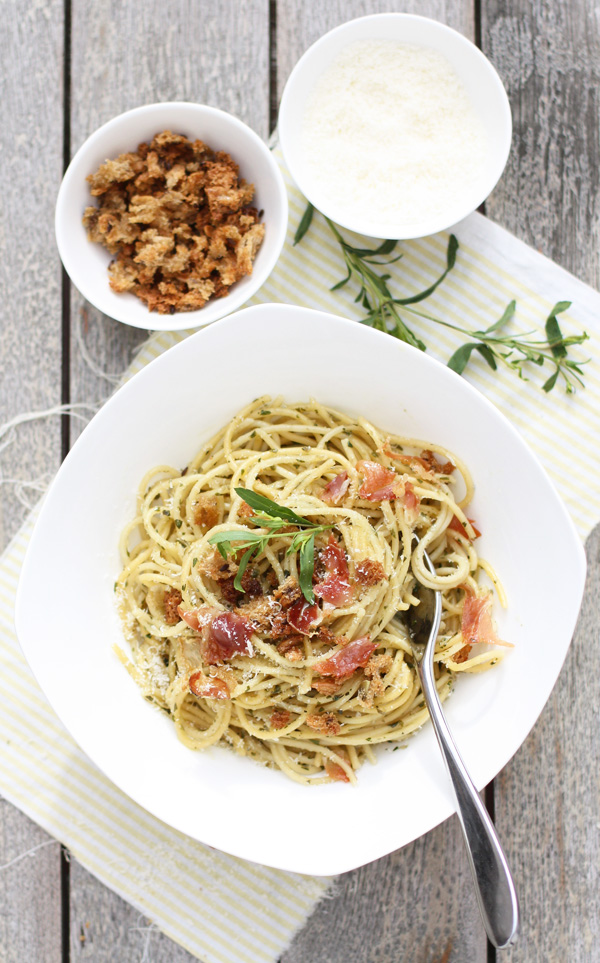
Spaghetti with bread crumbs

shrimp-spinach-mushroom-rice-recipe-450x300

Spinach, shrimp and mushroom over rice

Citrus chicken (a little more than 30 minutes, but great to make on the weekend for the rest of the week)

Healthy Habits: Eat Healthy Fats

One of my New Year’s resolutions this year was to come up with monthly “resolutions” for myself and for anyone who follows this blog.  Cooking Light magazine (which is one of my favorite sources of recipes and ideas for healthy living) had the same idea, so I am shamelessly borrowing their healthy habits!

It’s a lot easier to commit to 30 days of a new habit than a full year.  So this month’s goal is to eat more healthy fats.

The “myth” of fats has become so pervasive in our society that even physicians (and physicians in training) succumb to the idea that fats are somehow “bad”.  The type of fats we consume as a society have changed in the last few decades, a change that may have played a part in our current obesity epidemic (and associated diseases).  If you are interested in reading more about this, I would suggest starting with Michael Pollan’s In Defense of Food, David Kessler’s The End of Overeating:Taking Control of the Insatiable American Appetite, and Laura Sim’s The Politics of Fat: Food and Nutrition in America.

What kind of fats are in the food we eat?

There are three important dietary fats :  saturated fats, unsaturated fats, and transfats.

Link to source for this chart

  • Saturated fats are generally solid at room temperature.  All animal fats are primarily saturated (meat, lard, butter, cream, fish oil).  The majority of plant based oils are primarily unsaturated, but there are a few exceptions.  Examples of vegetable oils that have a high percentage of saturated fat include palm oil and coconut oil.

What fats should I eat?

Here is a great summary from mayoclinic.com– the “bottom line” of how to adjust your fat intake for an optimal healthy diet

  • Limit total fat to 20 to 35 percent of your daily calories. Fat has 9 calories a gram. Based on a 2,000-calorie-a-day diet, this amounts to about 400 to 700 calories a day, or about 44 to 78 grams of total fat.
  • Emphasize unsaturated fats from healthier sources, such as lean poultry, fish and healthy oils, such as olive, canola and nut oils.
  • Limit less healthy full-fat dairy products, desserts, pizza, burgers and sausage, and other fatty meats.

Fat content in “I forgot to bring my own food” on-call food….   Which is why it’s so important to plan your food on call.

  • McDonald’s Quarter Pounder with cheese:  26 grams of fat (12 saturated, 2 transfat)
  • McDonald’s Big Mac: 29 grams of fat (10 saturated, 2 transfat)
  • McDonald’s large fries: 30 grams of fat (6 saturated, 8 transfat)
  • Domino’s Pizza (2 slices Pepperoni): 26 grams of fat (11 sat, 0 transfat)
  • Chipotle Chicken burrito (all the way): 53 grams of fat (20 sat, 0 transfat)


Photo source

More information on dietary fat:

Dietary fats: Know which types to choose from mayoclinic.com

Fats and cholesterol from the Harvard School of Public Health

Fat – From the NY Times Health Guide

Advice for New Interns

The summer is the time that the roughly 16,000 new doctors in the United States start their residency training. For all new interns, even though it doesn’t feel like it, you are ready!  The first year of medical school gave you the “vocabulary” you needed for this new language. The second year gave you the “grammar.” Your rotations in the clinics taught you the “language”.  Now you get to actually use it every day!

This year will be one of the most profound transitions you will ever make…. and it will also be a year of intense and fabulous memories. Take some time to write down the stories, or take some photos (but not of patients unless you have their permission!). These notes and images will be precious memories in the future.

In talking to other physicians and thinking about my own experiences, here are a few words of advice for you as you start your internship:

Learn from every patient.

As an intern, you will need to know a lot of detailed information on your patients. You’ll need to use a system to keep track of all this information so that when you are asked, you know the last potassium level, which antibiotics were ordered and what the ID consultant said. If you have a system you developed as a 4th year medical student, great! If not, start with 3×5 cards. Keep one card per patient, clipped together or held together with a metal ring. In the era of the EMR, much of the information you need can be easily accessed… but not really organized the way you need it. If you have developed a good system that doesn’t require physical cards, please send me a message so I can see it!

That covers the information, but not the learning. Learning is something that should be actively integrated into your day, not something you do at night when you are falling asleep. Work on a system that lets you record what you are learning during your daily tasks in a way you can review later. 3×5 cards are a simple, cheap and very effective system for studying medicine, which I’ve described in a previous post. Make a separate card (or use the back of your rounding card) to list something (anything) you learned from every patient you see. p.s. Don’t lose your cards!!!! (HIPAA violation)

Don’t confuse gathering information with studying information. Taking notes is a critical part of learning. Don’t just store chapters and articles in your Google drive… summarize them to review later by taking notes.

Be the doctor for your patients.

This may sound obvious, but in the everyday world of the hospital, it is really easy as an intern to get lost in the details of patient care… and forget about caring for the patient. Stop every once in a while and remember that you really are their doctor. Take a few deep breaths and put yourself in their shoes for a minute to ask something about their family, hold their hand, or just sit with them for a minute.

It’s very easy to get swept away by the velocity of the work most interns experience and lose the “big picture”. When you are confronted with something you haven’t seen before, push yourself to make a plan before you call your upper level resident or the attending. What if you were really the only doctor around? What would you do? Spend 2 minutes on UpToDate if you have to, but don’t just be a clerical worker – be their doctor.

Part of being a good doctor to your patients is to recognize your own limitations. You should never feel bad about calling someone with more experience, no matter how “dumb” you think the question is.  It’s the right thing to do for the patient.

Be deliberate about learning your field.

From day one, commit to an organized plan of study to cover everything you need to learn in your field. Make a plan to read (and then study to learn) a textbook every year. Make notes that are easy to review, so you don’t have to go back to the textbook to review the material.   Whatever system you use, make it easy to integrate the notes you are making in the hospital (e.g. the 3×5 card on each patient) with your organized study system. Adding articles into the mix is fine – but only after you have mastered the basics. Don’t let reading the latest finding take the place of really learning the material in the textbook.

Be kind and be part of the team.

Hard work is made easier when it’s done with your friends. You will all be tired, you will all be stressed, but be kind to each other. Staying 5 minutes more to help out a fellow intern is an investment that will help both of you. Look for ways to apply the golden rule of internship:  “Help others the way you would liked to be helped”.

Make your bed.

Do this simple act every morning to remind yourself to take care of yourself. Find time to consciously take care of your emotional, physical and spiritual health. Take good food to the hospital for your nights on call. Find ways to get stress reducing exercise into your weekly schedule, or at least find ways to increase your activity while you are at work. Watch your weight – if you are losing or gaining, it’s a sign that you need to focus on your own well-being by improving your nutrition and working on your fitness. Nurture your relationships – make your family and friends a priority. Take care of your spiritual needs in whatever way is best for you, but don’t ignore this important aspect of self-care.

Smile!

You have the enormous privilege of caring for other people and learning the art of medicine. Take a little time every day to notice the moments of joy in this work and, if you can, write them down to look at on the days you are tired.

Congratulations to you for all you’ve accomplished thus far!  Enjoy this incredible journey!

Cold Summer Treats

It’s summer and it’s hot.  I’m on call this weekend.  That combination made me think about cold comfort food I could take to work.

Chocolate (in any form) is always the answer… but I decided maybe I could find something a little more healthy (and a little less caloric) that could serve as the “treat” we all crave when we are working hard on call.  I’m thinking the team will like a little Salpicon mid afternoon tomorrow…

Salpicon – a sparkling fruit drink from Columbia

This soup looks delicious, but with the heavy cream probably isn’t in the “low calorie” list.  You can substitute milk or yogurt to cut calories (without too much sacrifice of taste).  But, then again, as an on-call treat this still beats McDonald’s!  This is just one example of cold soups – which are great for summer on-call days.

Cold avocado soup

Smoothies are great comfort food – but logistically not easy when you are on call.  If you love smoothies, you might want to invest in an inexpensive single-serve blender.  Take the fruit in a baggie, put some yogurt and ice cubes in… instant smoothie.  Alternatively, you can blend your smoothie at home and put it in a container in the refrigerator that you can shake up before drinking.

Banana mango smoothie

What To Do This Summer

This week approximately 16,000 US medical students are going to receive their diplomas and become physicians. There are also about 16,000 college graduates who will start medical school later this summer or early in the fall.  Congratulations to you all!

Nearly all of you have a well-deserved month (or two)  to rest and get ready for the next step in your training.  So, I thought it might be helpful to pass on a few words of advice on how to spend your time this summer.

Photo credit


Do NOT study!

  • If you are starting your residency and you think it might help relieve your (normal) anxiety, here is what to do:  Buy one of the major textbooks and use it to get excited about what you are going to learn.   If you want to, plan how you are going to study for the year.   Skim the book if you really have to do something to feel less anxious, but don’t spend hours studying.
  • If you are getting ready to start medical school – step away from the books!  Seriously, there is nothing you can do that will make it any easier, so just enjoy your time off!

Photo credit


Take a vacation (or two or three…)

  • Visit family and friends – take a road trip and connect with people you haven’t seen in a while
  • Hang out on a beach, go for some great hikes, read some great novels
  • Sleep late, eat well, and just rest

Photo credit


Develop (or strengthen) an exercise habit

  • Use this summer to develop a daily exercise routine that you can take into your new (and crazy) schedule.  Overall, your goal for the summer should be to develop a balanced exercise program (cardio, strength training and flexibility).  If you’ve never done any strength training, hire a trainer and learn about it.  Your goal should be at least 30 minutes of cardio 4-5 times/week, 2-3 strength training sessions/week and stretching every day. If you develop a balanced exercise routine this summer, it will be much, much easier to continue this once you start medical school or your internship. Commit to doing at least 30 minutes of exercise a day this summer.
  • Running is one of the best (and most convenient) cardio exercises for medical students and residents (because it’s cheap, efficient and effective)  Use this summer to become a runner. If you hate running, find another good cardio exercise habit to develop instead – but pick one!
  • If you don’t own a bicycle, think about getting one that you can use to commute to school or the hospital.

Photo credit


If you don’t know how to cook, learn.

  • Unless you want to gain a lot of weight, have poor energy and feel bad, you are really going to have to cook for yourself (or at least plan for good food cooked by someone else).  You won’t be able to eat what you need, particularly as an intern, unless you bring the food with you.
  • Learn some basic skills to cook simple things.  If you have good cooks in your family, have them teach you.
  • If you don’t have family members who can teach you, find cooking classes near you and sign up.  Many high end grocery stores and gourmet stores offer classes for beginners – look on line for classes near you.

Photo credit

Easy, Fast Recipes: Stone Soup

I found another great recipe site to share – Stone SoupJules Clancey, who developed her blog to share recipes, also runs a cooking school and has authored an ecookbook.  The site has a great collection of recipes with only 5 ingredients – and that are usually well within the parameters of the “pizza rule”.

Zucchini “surprise” pasta

Chickpea and Rosemary Fritatta

Simple Salmon Kedgeree

Super moist carrot cake

Healthy Habit: Eat Breakfast Every Day

One of my New Year’s resolutions was to come up with monthly “resolutions” for myself and for anyone who follows this blog.  Cooking Light magazine (which is one of my favorite sources of recipes and ideas for healthy living) had the same idea, so I am shamelessly borrowing their healthy habits!

Cooking Light’s 12 Healthy Habits

It’s a lot easier to commit to 30 days of a new habit than a full year.  So this month’s goal is to eat breakfast everyday.

Granola with Yogurt & Berries from zestycook.com

Most residents and medical students start their day early.  At 5 am, no one wants to eat a big breakfast.  But, you really should eat something as you are heading out the door.  By 9 or 10 am, you’ll be hungry – and the muffins in the surgeon’s lounge (or breakfast at MacDonald’s) will be calling out your name.  You have to have a strategy to manage this rise and fall in insulin (and accompanying “starvation”).  If you don’t, you’ll end up eating nothing but fast food (and the box it comes in).

Physicians in practice and training should probably make a commitment to eat two breakfasts, not just one – an early breakfast to literally “break the fast” from the night before and a second breakfast in the mid morning.  (aka “Elevenses”)

tumblr_liupqpXhwX1qaufybo1_500

A good breakfast should give you a balance of protein and carbohydrate, with a little fat.   Here’s a list of suggestions for breakfast that provide the right mix of nutrients and are easy (fast) to prepare:

  • Cold cereal with milk
  • Yogurt with cereal and fruit
  • Oatmeal or other whole grains with milk +/- toppings
  • Leftovers from last night’s dinner
  • Frozen waffles or toast (whole grain is better) with peanut butter
  • Bagel or toast with cream cheese and salmon
  • Rice (or other grains) with eggs
  • Energy bars
  • Sandwiches
  • Egg mugs
  • Smoothies
  • Breakfast tacos (see below)
  • Scrambled eggs (plus whatever you want) in a tortilla
  • Healthy fast food
  • Homemade muffins or breakfast bars (make a batch on the weekend)
  • Hardboiled eggs and fruit

Healthy breakfast sandwich from foodnetwork.com

MLBs Breakfast Tacos

These breakfast tacos are my “go to” breakfast for hectic mornings.  I make them on the weekend in a big batch to freeze for the week

Buy 10-12 whole wheat tortillas, 1 can of fat free refried beans, 1 bag of reduced fat shredded Mexican cheese.   (if calories aren’t an issue for you, use regular refried beans and shredded cheese)

Spread all the tortillas out on the counter and divide everything up between them.

Add whatever else you want:

  • cooked chicken or turkey (grilled in the deli is best)
  • Sausage (regular or veggie)
  • Corn
  • Rice
  • Bell peppers or Roasted red peppers (from a jar)
  • Fresh or canned green chiles

Put the tacos in the freezer in individual freezer bag .  Put the individual bags in a big freezer bag if you want to further limit freezer burn.

2 minutes out of the freezer and into the microwave = breakfast.

Breakfast taco from cleananddelicious.com

Other links to ideas for fast, healthy breakfasts

Why You Should Eat Breakfast from wellnessrounds.org

Healthy breakfast: Quick, flexible options to grab at home from mayoclinic.com

10 Quick, Healthy Breakfast Options from thedailygreen.com

10 Tasty, Easy and Healthy Breakfast Ideas from zenhabits.com

Healthy Habit – Eat Whole Grains

One of my New Year’s resolutions this year was to come up with monthly “resolutions” for myself and for anyone who follows this blog.  Cooking Light magazine (which is one of my favorite sources of recipes and ideas for healthy living) had the same idea, so I am shamelessly borrowing their healthy habits!

Cooking Light’s 12 Healthy Habits

It’s a lot easier to commit to 30 days of a new habit than a full year.  So this month’s goal is to eat three servings of whole grains every day.

Definition of grains (from Wikipedia): Cereals, grains, or cereal grains are grasses (members of the monocot families Poaceae or Gramineae)cultivated for the edible components of their fruit seeds (botanically, a type of fruit called a caryopsis): the endosperm, germ, and bran.”

“Whole grain” means you get the whole thing – the endosperm, the germ and the bran.  Processed grains are only the endosperm (which is mostly carbodydrates).  When you remove the germ and the bran, you are removing most of the vitamins, minerals and fiber.

How the companies cheat. In the USA, the words “whole wheat” or “whole grain” really don’t mean anything… products labeled “whole wheat” or “whole grain” may have trivial amounts of whole grain in them. You have to see “100% whole grain” or “100% whole wheat” on the label to be sure it’s truly a whole grain product.

In addition to buying foods with 100% whole grains, you can add whole grains to your diet by buying and cooking the actual grain. There are lots of ways to cook grains that follow the “pizza rule” (don’t cook anything that takes longer than it takes to order a pizza).

Recipes from wholegrainscouncil.org

Whole grain recipes from 101cookbooks.com

Whole grain recipes from eatingwell.com

The “easy” grains

You’ve grown up with a variety of grains – which are all familiar to you.  They all come in a processed and “whole grain” version. So, if you are used to eating white rice or eating white bread, it’s time to give the whole grain versions a try!

OATS Although oats can be cooked whole in dinner recipes, in the United States, they are usually eaten as oatmeal.

There are 4 kinds of oatmeal you can make for breakfast.  Oat groats are the untouched whole grain.  Steel cut oats are oat groats – just cut up.  Both of them take a long time to cook.  For busy people cooking them overnight in a slow cooker or partially cooking them the night before is the way to go. The other two kinds of oatmeal (rolled and instant) are more processed (i.e. less vitamins, minerals and fiber) but are still whole grain.

Oatmeal is a great way to start the day – and it’s a fantastic middle of the night snack when you are on call.  Beware the instant flavored oatmeals –they have lots of added sugar!  It’s better to take a zip-lock of instant oats and a second Ziplock of dried fruit and nuts instead. And be really wary of fast food oatmeal!

BROWN RICE Rice is consumed in mass quantities all over the world.  Brown rice takes about 45 minutes to cook, so you’ll have to plan ahead a little.  Instant brown rice takes about 10 minutes, but the rice has been processed a little (slightly less nutritious but better than white rice).   A rrice cooker is a great appliance to have (good for holiday or birthday wish lists). You can also steam veggies, shrimp, fish, etc in the rice cooker while the rice is cooking –  or use it for an easy “one pot” dinner. Rice salad is a great food for call.  I usually make it with celery, carrots, left over veggies,  tuna and a vinaigrette – but there are a lot of  variations on the theme.

.

rice-chicken-ck-1622452-l

Sesame Brown Rice Salad with Shredded Chicken and Peanuts

Leftover rice also makes a great breakfast.  You can put fruit and milk on it (like oatmeal) or put an egg over it (great with some soy sauce). (In Japan the egg is raw, but it’s probably better for health reasons to cook it first)

WHEAT Whole Wheat is most commonly turned into flour to make breads, tortillas, and pastas.  Cracked whole wheat is called bulgur and can be used in place of rice or in salads.

08recipehealth_600-articleLarge

Bulgur With Swiss Chard, Chickpeas and Feta

Popcorn. You may not think of popcorn as a whole grain, but it is.  When air popped and In the absences of movie butter, it’s a healthy food item – mainly because of the amount of fiber it provides.  It’s better to use your stove top or an air popper– commercial microwave popcorn is usually filled with transfats (and calories).  Another alternative is homemade microwave popcorn.

Grains you may not have tried (but should)

QUINOA Quinoa is one of my favorite grains – enough that I did a post on it a few months ago.  If you are going to wander into the “unusual” grains, this would be where to start.  Quinoa takes about 30 minutes to cook on the stovetop. You can eat it plain or serve it instead of rice in any recipe.  If you have a rice cooker, you can use the white rice setting and it will cook perfectly.  Put a few veggies (and maybe some shrimp, fish or chicken) into the rice cooker (or steam them on the stove) and you have a dinner like this:

Sweet potato, kale and quinoa

BUCKWHEAT Buckwheat is eaten as a grain in Eastern Europe fairly commonly.  In the USA, we are probably more familiar with buckwheat as a flour used in pancakes or in soba noodles.

Spicy Soba Noodles with Shiitakes and Cabbage

BARLEY Barley is the grain used in most beers… which does not count as a whole grain food item!  It’s a chewy, nutty grain that is delicious in soups, casseroles and salads. The classic combination (which is very delicious) is barley and beef – usually in a stew.  If you have the time, it’s well worth it.  For a faster combination you might try this recipe (add some chicken or pre-cooked beef if you want)

FNM_120109-W-N-Dinners-010_s4x3_med

Carrot-Mushroom-Barley Stew

SPELT Spelt is often sold in the stores as farro (from Italy).  Farro is delicious. by itself, in salads or soups.  It’s also great in risottos– it takes longer than rice to cook in a risotto, but you don’t have to stir.

ei0902_salad1_med

Mediterranean Farro Salad

MILLET Millet is a small grain that, like the other grains can be used in salads, casseroles or as a cereal. It’s a little more bland (less nutty) than the other grains, so it’s probably better to use it in more flavorful recipes.

EE1102_Stuffed-Tomatoes_med

Stuffed Tomatoes

WILD RICE Wild rice is in a completely different species than brown rice. Like many of the whole grains it takes 40-60 minutes to cook on the stove.  It’s often used in stuffings for chicken or other poultry and is also great in pilafs and casseroles.

EE1104_Gumbo-Zherbes-with-Wild-Rice_med

Gumbo Z’herbes with Wild Rice

TEFF Anyone who has ever eaten Ethiopian food has had teff. Teff flour is what is used in injera, the large flat bread used to eat Ethiopian meals.  Teff is the smallest grain in nature, and has high levels of protein, calcium, iron and fiber. I recently tried it for breakfast (with dried fruits and honey).  It reminded me of a nutty cream of wheat.  It’s really dense (and becomes gelatinous in the refrigerator) – but it was a nice change for breakfast.

AMARANTH Amaranth can be boiled or popped like popcorn.  Because they are smaller than other seeds, amaranth only takes about 20 minutes to cook.   Smaller seeds tend to have more concentrated nutrients; amaranth is high in calcium and protein.

Like teff, this is probably best tried as a breakfast item if you want to experiment.

picoaZFvs

Amaranth for Breakfast