Gifts for Medical Students, Residents and Physicians

The holidays are quickly approaching and it’s time for my annual list of gift suggestions for medical students, residents and physicians.

  • Top of the list this year (for good reason) is the iPad mini.  I started rounding with an iPad several months ago and was instantly converted. The iPad mini is even better because it fits in my white coat pocket!  I am able to pull up my patient list on our EMR and access lab values and images as I’m walking from room to room.  I can also use it to show families the images, or pull up images from the web to help explain complicated concepts. For students (and all of us) an iPad gives you instant access to information to help in decision making. Most hospitals (if not all) have wi-fi, so the “starter” (i.e. least expensive) version is fine.  There is a big advantage to have 3G capability if you aren’t around wi-fi (just like your phone), but it will add a monthly fee.

Photo credit

  • For avid readers (of non-medical works), consider a Kindle, Nook, or other electronic reader.  (If you are considering an iPad, it can be used as a reader, so this would be redundant).  These devices can easily go into a backpack or call bag and make it easy to take 5-minute breaks from studying or work.

Photo credit

  • A new suitcase.  This is particularly important for medical students or residents who will be facing a round of residency or fellowship interviews in the in next year or two (but will be appreciated by anyone!)
  • A maid or housecleaning service once a week.  No one in medical school or residency has time to clean (or likes it)!  This will be one of the most appreciated gifts you’ve ever given someone. Along the same lines, consider a certificate for cleaning or doing laundry once a month (if you are inclined to do it yourself for them.)
  • Ties are usually required on the wards for men.  Good, professional ties will always be a welcome present.  Consider interesting medical ties like the human cell tie, x-ray and ortho themed ties or a human genome tie.    I’m not about to get into the (often heated) discussion about bow ties in medicine, but if you are considering a tie as a present, you might want to ask about bow ties before you buy. No matter what kind of tie you choose, pick one with a subtle theme that you have to look at twice. Don’t get a tie with a caduceus or that’s really blatant (stethoscopes, etc).

Photo credit

  • All students and residents need good, professional clothes – a gift certificate to a big department store is a good way to let them add to their wardrobe.

My personal favorite – it rolls away and you have to chase it!

  • Membership to a gym for a year.  Working out is important both for physical and mental health during medical training.  But – unless you know which gym is the closest to where they live (or most used by their friends), it might be better to create a homemade “gift certificate” and let them decide.
  • Anything to help promote more exercise.  A bicycle to commute to school or the hospital?  A gift box with exercise equipment?  Yoga classes? New running shoes?
  • Electronic speakers for their computer to listen to music while studying. Along the same lines, add in a subscription to Pandora One to create and listen to internet radio stations without commercials.
  • Appliances to help with fast, healthy cooking.  Top of my list would be a pressure cooker – either stovetop (which is what I use) or electric.  Another great choice for the money may be the Krups multicooker that is a rice cooker, steamer and slow cooker all in one.
  • A gift certificate to Whole Foods (or any grocery store that makes take out food), or a healthy prepared food service.  In Houston, we have My Fit Foods, Snap Kitchen, Diet Gourmet, Real Meals 365 and several other services.  These types of businesses exist in almost every major city and can be easily found on the internet.

Photo credit

Photo credit

Healthy Recipes: My Life Runs on Food

I’m always looking for new sources of healthy recipes for medical students, residents and busy docs. My Life Runs On Food is self-described asa sweet, savory, buttery, green and healthy food blog” and is written by Sanura Weathers.  As she describes it

“My Life Runs on Food is a blog demonstrating how to plan a well-balanced meal back into our lives. It’ll offer tips on how to “brown bag” yesterday’s dinner for lunch. The blog will suggest which seasonal produce to use in recipes. It will encourage buying food from local retailers, such as farmer’s markets. Read how to adapt life events into a weekly menu, and how to quickly update a menu in the middle of the week because of a sudden change of plans.”


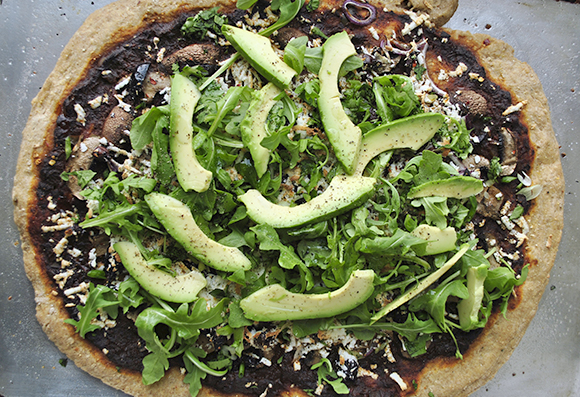
Tomato Chili Pizza


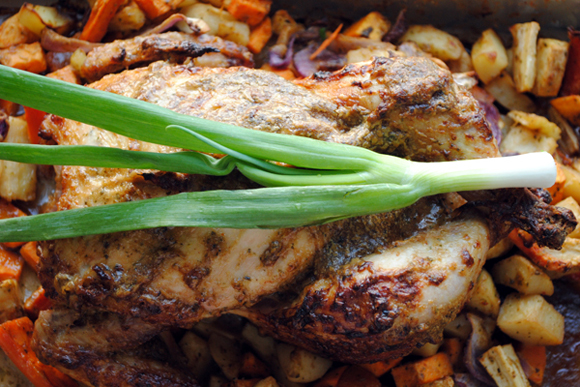
Asian Inspired Peanut Butter Roasted Chicken


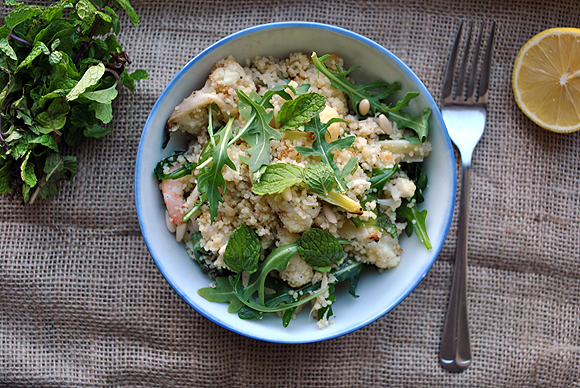
Couscous with Roasted Cauliflower and Shrimp


Fast, Easy Recipes: Canyon Ranch

I’m always looking for sources of recipes that meet my “pizza rule” for cooking.  (Things that take less time to make than it takes to order a pizza).

Stressful work requires good fuel.  Taking time to cook something healthy, satisfying and delicious provides that fuel  – but it also sends a clear message that you are taking care of yourself.  Canyon Ranch  has been teaching people this message for years.  They have a wonderful website with really delicious, easy and healthy recipes.

Recipe for Salmon with Mango Blueberry Salsa

 Photo credit


Recipe for vegetable soup

 photo credit

 Chicken-Tomato-Avocado-Quesadilla

Recipe Chicken Apple Quesadilla

 Photo credit

You are going to have to trust me on this one and try it.  This is the most delicious cauliflower you will ever eat

images

Recipe for Mashed cauliflower

Setting an Example: Eating Well

At some point all physicians give advice to their patients about dietary changes to improve health.  Let’s be honest.  We don’t do so well ourselves.  The “classic” fare of residency (donuts or muffins for breakfast, pizza for lunch, and some fast food on the way home) doesn’t really give you much credibility when you are talking to patients.

doc-hamburger-copy-copy

Photo credit

No medical student or resident is going to be able to eat perfectly, exercise regularly, and do all the other things that lead to a healthier lifestyle.  But every little change you make now will pay off.  You’ll feel better and have more energy.  You’ll be less likely to gain weight.  And – you’ll be able to talk to patients  – with specific examples – about what they can do to improve their own health.

In the crazy busy life of medical school and residency, it’s hard, if not impossible, to spend time and energy to shop, cook and eat really well.  It doesn’t get much better once you start your practice.  What is possible, no matter how busy you are,  is to realize that there are some simple things you can do to improve what you are doing now.

My top 10 tips for better eating in medical school and residency

1.  Eat fruits or vegetables with every meal or snack.  This may mean buying a bag of apples once a week and just eating apples twice a day (boring but effective).  Even better, follow the “USDA plate” recommendation – ½ fruit and vegetable, 1/4 protein 1/4 grain/complex carb on every plate of food you eat.

Photo credit

2. Eat breakfast.  If you are up too early to really eat, make a smoothie the night before to put on the blender when you wake up and take it with you in the car.  My personal favorite:  ½ cup plain Greek yogurt, ½-1 cup of fruit, ¼ cup egg whites (pasteurized, in a carton), 1-2 Tblsp honey.

cereal-300x234

3.  Eat more eggs (especially egg whites).  Eggs have gotten a bad rap, but they are very cheap and very easy to cook.  Cook hard boiled eggs on the weekend to eat for breakfast or snacks during the week.  Make omelets or huevos ranchero for dinner.  Go ahead and spend a little more to get cage-free eggs to do the right thing.

huevos-rancheros

Photo credit

4. Don’t skip meals.  Even on the worst call day you can keep a meal replacement bar or two in your pocket.

Kind-Bars-300x289

Photo credit

5.  Pack the food you need for call days the night before so it’s ready to go in the morning.

call-day-food

6.  Chop up a bunch of veggies on the weekend to throw in salads, soups or in wraps.

7.  Cook or buy one good meal on the weekend that will last for part of the week.   A good stew or soup?  Lasagna?  Look for good recipes on the web.  If you really don’t want to cook, find a healthy caterer or restaurant to buy it instead.

Vegetable-Chili-500-300x199

Photo credit

8.  Take a good sandwich to work for one or more meals.  Peanut butter on whole wheat may be monotonous, but a) it doesn’t have to be refrigerated and b) it beats McDonald’s.

Photo credit

9.  Free pizza isn’t really free.  It’s incredibly high calorie and the ingredients in the cheap kind aren’t good for you.  (Same for take out Chinese, donuts, muffins, etc)

Photo credit

10.  Skip the liquid calories.  Cokes may give you an energy boost, but you are better off with real calories from a piece of fruit, a sandwich and some coffee or tea.  (but learn how to use caffeine effectively)

coke-sugar-copy-copy

Photo credit

Zucchini

It’s summer and there are too many zucchinis (and yellow squash, tomatoes and other fabulous summer vegetables). Even in seasons other than summer, zucchini is always around and makes for really good eating!

Photo credit

Cooking zucchini takes 5 minutes – just sauté them with a little olive oil, salt and pepper and whatever herb you like (tarragon, thyme, basil).  You can add in a little garlic if you’d like or (like the photo and recipe below) some almonds.  Leftovers are great in salads or omelets, so cook more than you need for one meal.

Zucchini with almonds from Smitten Kitchen

One of my all time favorite summer foods is ratatouille, a great food that takes advantage of the bounty of the summer harvest.  It’s easy to make and incredibly delicious.  I suggest you make a big batch – It gets better with time  (at least a few days).  When you get tired of eating it plain you can put it over pasta, eat it cold (particularly good with cottage cheese), or mix it with a grain for a hot meal or salad.

Ratatouille-vegetables-006

Ratatouille recipe

turkey-stuffed-zucchini

Turkey stuffed zucchini from Skinnytaste.com

TomatoZucchiniTart

Tomato Zucchini Tart

zucchini-cups-400x400-kalynskitchen

Zucchini cups (and 20 more zucchini recipes from Kalyn’s Kitchen)

Getting Ready to Start Medical School

It’s one of the most common questions asked by soon to be medical students…. “What should I do to get ready to start medical school?

Set up your environment

The amount of material you will be asked to master in your first year of medical school is more than you’ve ever been asked to master before.  You have to approach it with a different strategy than you used in college.  One critical component of this strategy will be to keep up with the material – starting from the first day.

If you try to hook up your cable, organize your electricity and straighten out parking at your apartment during the first week, you will fall behind.  Take the time to come explore your new environment and get settled in at least a week before classes start.  A week doesn’t sound like much to miss, but it’s a significant amount of information in medical school! One of the important tasks to check off the list during the week you are settling in is to set up your study area.  Make sure you have a computer that meets all your needs and an area to study that is pleasant, ergonomic and comfortable.  Most students find a dual screen to be very helpful as you are moving through notes and slides to study.

You’ll be spending 1-2 hours studying (at a minimum) for every hour of class.  Given the number of hours you’ll spend studying, you might want to think about an “active” desk that lets you stand, walk, or pedal as your study.

Develop (or strengthen) an exercise habit

Use this summer to develop a daily exercise routine that you can take into your new (and crazy) schedule.  Your goal for the summer should be to develop a balanced exercise program (cardio, strength training and flexibility) that works for you.  If you’ve never done any strength training, hire a trainer and learn about it. If you develop a balanced exercise routine this summer, it will be much, much easier to continue this once you start medical school or your internship. Commit to doing at least 30 minutes of exercise a day this summer and it will be a lot easier to continue once the pressure of school really kicks in.

Link to a Beginner’s Guide to Running

Running is one of the best (and most convenient) cardio exercises for medical students and residents (because it’s cheap, efficient and effective)  Use this summer to become a runner. If you hate running, find another good cardio exercise habit to develop instead – but pick one!

Link to 9 Ways To Make Bike Commuting Easier

If you don’t own a bicycle, think about getting one.  There will be places to ride for fun when you have time off.  You can also use your bike to commute to school which is a great way to sneak in exercise and save money.

Link to Learn to Love Cooking (and Save!!

If you don’t know how to cook, learn.

Good nutrition is an important part of doing well academically.  It’s hard to concentrate and learn if you are eating junk. There is one simple trick to eat well during medical school: Learn to cook.  This is a skill that will become progressively more important as you enter your clinical work in medical school and then move on to your residency training.

Learn some basic skills to cook simple things.  If you have good cooks in your family, have them teach you.  If you don’t have family members who can teach you, find cooking classes near you and sign up.  Many high end grocery stores and gourmet stores offer classes for beginners – look on line for classes near you.

Why Doing Nothing Is One of the Most Important Things You Can Do

Come to medical school rested.

Do not study. Seriously.  We will give you what you need and nothing you can do this summer will make it any easier.  It’s far more important to arrive rested and ready to go than to try to learn material that may or may not be relevant. Take a real vacation (or two). Visit family and friends – take a road trip and connect with people you haven’t seen in a while  Hang out on a beach, go for some great hikes, read some great novels.  Sleep in late, eat well, and just rest!

Photo credit

Fast, Easy Recipes: Kalyn’s Kitchen

I’m always looking for good websites for recipes that are healthy, simple and easy to make.  In other words, the kind of food that makes it easy to avoid eating fast food when you are on call.   Kalyn’s Kitchen is a fabulous website for delicious, healthy, and often low calorie recipes that meet the “pizza rule” for medical students and residents (i.e. recipes that take less time to prepare than it takes to order a pizza). She also really goes out of her way to teach each step in the recipe, so if you are new in the kitchen, this is a fabulous website for you!


Tuna Salad Lettuce Wraps with Capers and Tomatoes

Not-so-Dumb Salad with Cucumbers, Tomatoes, Onions, Avocado, and Balsamic Vinegar

Mediterranean Tostadas with Hummus, Feta, and Kalamata Olives

Crockpot Double Lentil, Sausage, Brown Rice, and Spinach Soup

Thanksgiving Cornbread

Every year at Thanksgiving, I make my great grandmother Sallie’s cornbread recipe.  She and my great grandfather were “dirt farmers” in Oklahoma during the depression.  This bread, plus some beans, was their dinner many nights. Their life on the farm was not easy, but it was a life that provided the simple necessities.

Every year at Thanksgiving as I mix the ingredients for this cornbread, and then make the stuffing for the turkey, I have the delight of remembering my great-grandmother.  It always leads to a sense of gratitude for her, all my ancestors and my family.

I don’t want you to just sit down at the table.
I don’t want you to just eat and be content.
I want you to walk out into the fields
Where the water is shining and the rice has risen.
I want you to stand there far from this white tablecloth.
I want you to fill your hands with mud, like a blessing.

-Mary Oliver


  • Mix together with a big spoon
    • 1 cup corn meal
    • 1/2 cup flour
    • 1 tsp soda
    • 1/2 tsp baking powder
    • 1/4 tsp salt
  • Make a large “hole” in the middle of the dry mixture with the spoon
    • Beat one egg with a fork, add 1 tablespoon of oil (or melted butter) into well in the middle of the dry mixture and mix with a fork
    • Add 1 cup of buttermilk
  • Let rise while heating the oven to 450 degrees (about 10 minutes)
  • Gently whip down with a fork
  •  Grease a one layer cake pan, cast iron skillet or 8” square pan with oil
  • Bake 20-25 minutes (until a toothpick or knife comes out clean)

So that’s my great grandmother’s recipe (and yes, the photo at the top of this post is of her and my great grandfather). But, this recipe doesn’t make enough for Thanksgiving – so I’ve figured out the math for you to make enough for your family,  If you don’t have two cast iron skillets, no worries. Use muffin tins, cake loafs, whatever you have.

  • Heat the oven to 450 degrees
  • Melt 7 tablespoons of butter in the microwave (all but one end of a stick of butter)
  • Combine the dry ingredients
    • One bag of cornmeal (2lb)
    • 3 1/2 cups of flour
    • 7 tsp of baking soda
    • 3 1/2 tsp of baking powder
    • 2 1/2 tsp of salt
  • Make a large “hole” in the middle of the dry mixture with the spoon
    • Beat seven eggs with a fork, add 7 tablespoon of oil (or melted butter) into well in the middle of the dry mixture and mix
    • Add “7” cups of buttermilk – the batter should pour but not be thin
  • Put a tablespoon of oil (or two) into two cast iron skillets and put them in the oven for 4-5 minutes (let the cornbread batter rest during this time)
  • Pour any excess oil from the pans into the batter and mix in then pour the batter into the hot cast iron skillets.
  • Bake ~25 minutes.

Photo credit

Fast, Easy Recipes: Simplyrecipes.com

I’m always looking for new websites that have easy, delicious and healthy recipes that meet the “pizza rule” for medical students and residents (i.e. recipes that take less time to prepare than it takes to order a pizza).

My latest find is simplyrecipes.com.  It’s a great site run by Elise Bauer.  These are mostly recipes she and her family have created.  There is a section on “budget recipes” and another one on “Quick Recipes” both of which are great for students and residents.  She also has a lot of instructions about cooking if you are new to the kitchen.

 baked-shrimp-tomatillos-a

Baked Shrimp with Tomatillos

vermicelli-salad

Sesame and Cilantro Vermicelli Salad

 chicken-mushroom-sage

Chicken Breasts with Mushroom Sage Sauce

Healthy Habits: Reduce Your Salt Intake

One of my New Year’s resolutions this year was to come up with monthly “resolutions” for myself and for anyone who follows this blog.  Cooking Light magazine (which is one of my favorite sources of recipes and ideas for healthy living) had the same idea, so I am shamelessly borrowing their healthy habits!  This month’s healthy habit is to eat less salt.

SaltShaker

Adding salt to taste in your own food is one thing.  “Hidden” salt in processed food is a totally different matter. Restricting salt is important for salt sensitive people to prevent or treat hypertension.

Different people have different sensitivities to salt.  Somewhere between 10% and 25% of the population are salt sensitive.  (this increases to 60% in people with hypertension).

The average American consumes around 4000mg of salt each day.  “The 2010 update of the Dietary Guidelines recommends adults limit their daily intake to less than 2,300mg, the equivalent of just 1 teaspoon of salt. The limit for those at risk of high blood pressure—African-Americans, people with hypertension, and anyone over the age of 51—was lowered to 1,500mg. “

How to decrease your sodium intake

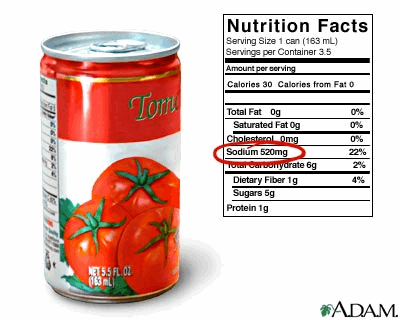
  • Become “salt aware”.  Prepared foods will always have more sodium than fresh foods.  Here’s a great chart from colostate.edu that shows the differences.

salt-info

Salad dressings – up to 350mg per serving

Frozen dinners or entrees – 600 to 1600 mg

Soy sauce – 1000mg per tablespoon

Cheeses – 500-600 mg per oz

Prepared snacks – chips, pretzels, microwave popcorn, etc  – 300-600 per oz!

Pickles – 1000mg in a big dill pickle!

Canned vegetables – 150-350 mg per cup

saltpresconf

Photo source