
Gifts for Healers

Source

I started this newsletter/blog years ago as a way to support trainees (medical and other students, residents, and fellows) as well as colleagues. If you’d been here for a while, you’ve probably noticed that my interests have expanded and so have the topics I write about! The expansion of the topics represents a new season in my life and the cool idea I got from Austin Kleon that you should write a newsletter directed to the people you want to meet.

But here’s the thing… trainees and practicing healers are high on that list for me! So I’ve decided that I’ll return to some posts directed at those very special people… like today’s post on hints for people who want to buy you presents. Feel free to forward them the link :-).

In an attempt to educate family and friends (and an interesting way to organize what would otherwise be a somewhat boring list), here’s a look into the average day of a medical trainee. (I’m using a surgery intern as my baseline, but with some variation this schedule applies to just about anyone training to be a healer.)

Wake up too early

“Dark-thirty” is the classic time trainees have to wake up. No matter the actual hour, it’s always early…and it’s hard! Everyone uses their cell phone as an alarm, but some need a bit of extra help…

Caffeinate

If you are a someone who loves the kick start of caffeine in the morning, you need a way to do this well.

  • An easy coffee maker like Nespresso (and/or gift certificates for the coffee)
  • Gift certificate to a local coffee or tea shop (I personally try to find one that’s not Starbucks…)

Drive to the hospital

  • A gift certificate for car washes
  • A small car vacuum, trash bag, or other accessories to keep their car a little neater

Meet the team, run the list, make morning rounds.
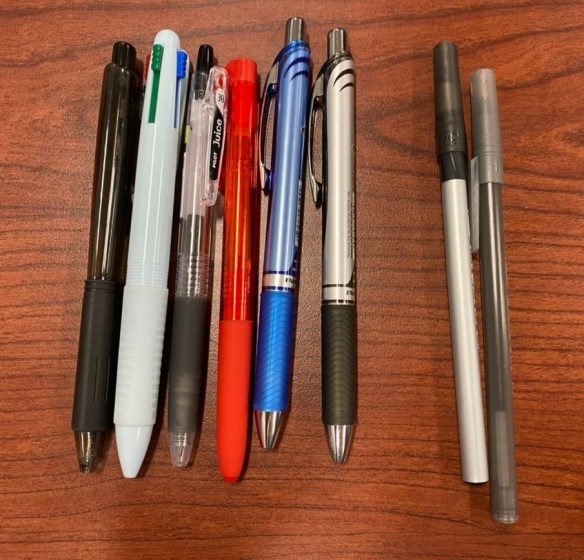
(From the time I asked my team at the hospital to take the pens out of their pockets so I could take a picture of them)

The “scut” (i.e. to do) list is almost always on paper, which is a great opportunity for the perfect pen….and a second (or third cup) of coffee or tea that stays warm until the end of rounds;

Head to your assigned task for the day (OR, procedural suite, clinic, inpatient care)

Comfortable shoes – the link is to a post with my favorites, but there are always new, great shoes that come onto the market and are quickly adopted by people who have to stand on their feet all day. Ask for the latest!

Good socks – I swear by Bombas, but the key concept here is to not skimp.

Spend an inordinate amount of time entering data into a computer

Overhage JM, McCallie D Jr. Physician Time Spent Using the Electronic Health Record During Outpatient Encounters: A Descriptive Study. Ann Intern Med. 2020 Feb 4;172(3):169-174.
  • A subscription to one of the streaming music services (to get rid of the commercials while you are listening to music)

On a good day, eat the food you brought or bought

Photo by Mary Brandt

It’s cheaper, healthier, and more efficient to bring your own food.

On a not so good day, grab calories on the run

A busy call day means you may not have time to stop. But you’ll need to refuel!

  • Boxes of healthy (minimally processed) pocket sized food like Kind Bars (or equivalent)
  • Small bags of nuts, boxes of raisins, etc.
  • Be creative – mail or deliver a monthly “subscription” of homemade or bought “pocket nutrition”

Afternoon rounds

See above (for morning rounds) – minus the caffeine.

A “Something or nothing” workout

Exercise is ESSENTIAL for so many reasons… but we tend to have an “all or nothing” default when it comes to exercise. We plan a 30-minute stop at the gym on our way home… but then we are 10 minutes late out of the hospital… and then the traffic is bad… so we decide not to go at all. The key is to do something (anything) rather than abandon the workout all together, to shift from “all or nothing” to “something or nothing” as your mindset. Here’s a few gifts that might help in that endeavor…

  • A membership in the gym that’s closest to them (or better, ask them to tell you which gym will work the best for them)
  • A bicycle (if they live close enough and this might be a good way to commute)
  • An eBike (if they don’t live that close)
  • New running shoes
  • TRX (or other home fitness equipment)

Some studying

Link to How to Succeed in Residency: Studying

This is exactly the same as exercise! It’s not necessary to complete a review of a topic every day, but it is necessary to study every day. (I’m serious… otherwise you have missed the big memo about life-long learning and being a professional!)

  • A good desk and an even better chair
  • Computer upgrade
  • A second monitor

Some decompression, socialization

This is essential. Downtime with music, visiting with friends, taking a walk outside, or whatever works for you are necessary to reset and heal from our work.

Dinner at home

Source

Cooking at home for busy folks has to meet the “pizza rule”* – but it’s more than worth it. Cooking for yourself is a great way to care for yourself, eat better, and have leftovers! Fortunately, there are a lot of ways to hack eating well so you don’t find yourself repeatedly getting food delivered (or eating too much fast food)

*Whatever you decide to cook has to take less time to prepare than it takes to order a pizza.

Sleep

Sleep is foundational.

Sleep is foundational.

Sleep is foundational.

(Yup, repeated on purpose. Everything is harder if you haven’t slept well… thinking, moving, your mood, your interactions, and maintaining your health.)

Don’t skimp on the things that make it easier to sleep well.

  • A good mattress, sheets, pillows
  • Light blocking curtains or shades
  • A weighted blanket
  • Sleep mask
  • Ear plugs (can also be used for loud concerts!)

And some miscellaneous gifts that don’t fit into this schedule!

Let me know what else I should add to the list!
Shoes to Wear in the Hospital (And Other Tips for Your Feet)

Working as a surgeon for as long as I have, trust me, I have learned the agony and ecstasy of foot care. After a long case or after 24 hours on my feet it’s the agony. But I’ve learned how to make my feet happy… and I’ve learned that it’s not that hard.

Photo credit

Shoes

The ideal hospital shoe has a wide toe box, is flat, laced (I’ll get to clogs in a minute), lightweight, slip-resistant, fluid resistant, and can be thrown into the washing machine. You can expect to spend around $100 for these shoes. Don’t get cheap shoes – spend the money!

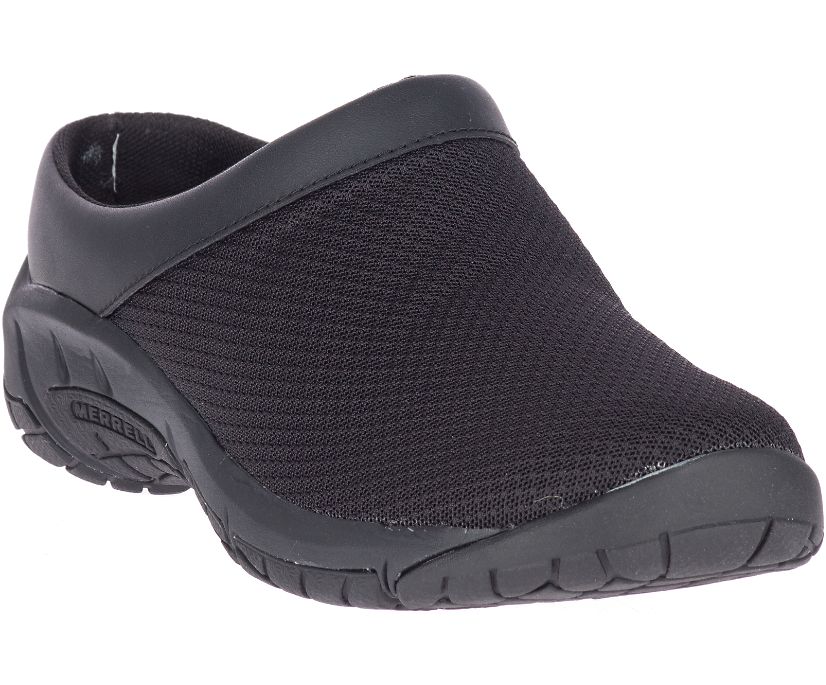
Although many running shoes meet these criteria, my current favorite shoe is from Merrell, which has been a go to company for me for years. The other major contender right now for favorite hospital shoe among medical students and residents is All-Birds.

Even though I wear lace up Merrells most days at work, I love clogs when I operate. They let me back my feet out of them and lower my heels to stretch my calves.  I can kick them off and stand barefoot for a while if I need to change the pressure points on my feet. I had Dansko clogs for years, which are almost a tradition for surgeons, and then changed to Merrell clogs (which are pictured above)  Although they are great for standing, the problem with clogs is that your toes have to grip the shoe when you walk (or run to a code), which means they aren’t the best shoes for the rest of your day.

Here are some other options beside running shoes, Merrells, and All-Birds to consider. If you have tried these or have other shoes I should add to the list, please let me know!

Atoms – Great reviews and an amazing story about the owner of the company

Bala Shoes – designed by nurses with consideration for structural differences in women’s feet

Birkenstock shoes

Brooks Addiction Walker

Casca Shoes – This is an interesting company that offers custom fit and a variety of options

Clarks

Columbia Tamiami

New Balance Slip Resistant 626v2 work shoes

Timberland TrueCloud

TropicFeel

A note about high heels…

There is practically nothing worse for your feet than wearing high heels. (Sorry if you love them). If you wear them, please wear them only for special occasions and keep the heels as low as you can. If you are wearing heels in the hospital because it hurts to not wear heels, that’s a huge red flag and you need to really work on it.

Socks

When John Wooden, arguably the most famous coach in the NBA, starts the season by teaching his players how to put their socks on correctly, you can bet it’s important. Don’t skimp on socks. Buy good socks that fit well and take time to put them on correctly.  

Compression socks have the potential to change your life. Ok, maybe that’s an exaggeration, but this is one thing I wish I had started earlier in my career. It’s not clear that they do anything to prevent the occupational hazard of varicose veins, but boy do they make your legs feel better at the end of a long day.

Make sure you throw an extra pair of socks in your call bag. There is nothing that feels better than taking your shoes and socks off after 10-12 hours,  massaging and stretching your feet (if you have time) and putting on new socks before the second half of a 24 hour call. BTW, the same is true for shoes. Swapping out shoes (if you have two good pairs) is also really nice for your feet during a 24-hour call.

Foot stretching and massage – every day

A friend recently lent me this book which is written by Katy Bowman, with the help of 4 “goldeners” (all older than 70) about what they wish they’d known about caring for their physical wellbeing. Feet are literally the foundation of our musculoskeletal “chain” and unhealthy feet not only hurt, they can affect the function of your kness, hips, and back. Here is the routine recommended in the book to care for your feet. It only takes about 10 minutes and is something you will look forward to doing at the end of the day since it feels so good.

  1. Dorsal foot stretch. Put the top of your foot on the floor and stretch your toes and ankle. Hold it at least 30 seconds and repeat it at least three times. If you get bad cramps (which is normal if it’s tight) it just means you need to keep doing it. Let the cramp subside and start again.
  2. Sole of the foot stretch. Buy this foot massager (or one like it) right now! Stand on it to to stretch and massage every single square centimeter of the sole of your foot. You’re welcome.
  3. Toe circles. Grab each toe separately, pull on it a little and then move it in a circle (both ways) for several rotations.
  4. Toe stretches. Pull each toe away from each other (medial to lateral) then put your fingers between the toes and leave them there to continue the stretch
  5. Toe lifts. Lift your big toe first and work your way up to lifting the other toes as individually and as high as they let you.

As an alternative, if you want a guided yoga practice for your feet, check out this video from the amazing Adrienne Mishler.

Pedicures and Ingrown Toenails

Every time you take a shower, look at your feet with intention. If you have calluses use a pumice stone to take off the layers of dead skin. Don’t let your toenails get out past the end of your toes and never cut them in a curve like you do your fingernails. If you start to get an ingrown toenail, soak your feet twice a day, dry them well, and then wiggle dental floss under the corners of the nail. Leave the dental floss in place until the next time you soak and then put another piece under the corner of the nail. Continue doing this until the nail grows out enough to be cut straight across. Since toenails grow about one millimeter a month, plan on it taking at least a month.

By the way, if you’ve never had a professional pedicure, ask around to find a good place and try it. It’s not just for women, so if you are a man who has never tried this, step out of your comfort zone (no pun intended) and try it at least once!

Shoes to Wear in the Hospital

I got home recently after a 14 hour day in the operating room with (predictably) a pair of really tired feet…. which lead me to think about shoes, foot rubs, and the fact that no one ever talked to me about this in my training.

What kind of shoes should you wear in the hospital?

There’s a lot of walking in the hospital, but there’s even more standing.  Running shoes don’t provide the right kind of support for standing, which means your feet will suffer if that’s what you wear.

It goes without saying that you should not wear open toed shoes in the hospital.  It’s not only against the rules, but it’s going to gross you out one day.

Basic concepts to choose good shoes for the hospital

Look for good support.  The classic “nursing” or “operating room” shoe exists for a reason – they are designed to provide the support your feet need during long days of standing and walking.

I have recently become a huge fan of Allbirds. They are amazingly comfortable, incredibly light and even after a long call night my feet really don’t hurt.  The website says they can be washed in the washing machine which is obviously a big plus, too!  Other comfortable shoes you might try include  Clarks, Rockport and ecco.

Photo credit


If you will be standing for long periods on rounds or in procedures, think about getting shoes that slip on and off.  When you are standing for a long time, being able to slide out of your shoes becomes important.  If you’ve been standing for hours, it really helps to stretch your calves and change the pressure points.  It’s also easier to step out of your shoes all together and stand barefoot for a little while.  When you are sitting, you can slip them off and let your feet breathe. Dansko  professional clogs are expensive but they are the “classic” OR clog..  Sanita clogs are supposedly now made in the original Dansko factory, tend to be a little less expensive and are also loved by many.  Birkenstock or Clarks clogs are alternatives to consider, too. Crocs are tempting but have poor support, minimal ventilation and have been banned in some hospitals.

Try to get shoes that breathe.  Examples include Merrell’s Encore Breeze (a great OR shoe) or Allbirds.  These shoes are not only comfortable, but they can be put in the washing machine (minus the insoles) if they get really dirty at work.

Once you’ve met those criteria, lighter is better.

Long days standing at work also make for stinky feet.  Just like long-distance runners, you have to learn some tricks to deal with this.

  1. Have more than one pair of good shoes and alternate them.
  2. Don’t buy cheap socks. Wicking socks like Balega socks are worth the price.
  3. Take an extra pair of socks with you for long days and change them in the middle of the day.

Foot massage, pedicures, and other foot care

After work, in terms of “bang for the buck” there is nothing that will make you feel better than a little attention to your tired feet.

Use a good foot scrub in the bath or shower like Bath and Body Toe the Line of The Body Shop’s peppermint scrub .

Take 10 minutes and try some methods to soothe tired feet.  If you are lucky enough to have a significant other who will rub your feet … congratulations!  (and, by the way, it really is “true love”…)

Even if you are a guy – don’t blow off pedicures.  If you’ve had one… you know.  If you haven’t… try it before you decide.