My New Favorite Recipe – Quiche With a Healthy Crust!

It’s not often I share a single recipe, but this one is so delicious, so healthy and so easy that it warrants a separate post.

sweet potatoe quiche

Photo credit (and recipe)

Although the recipe as written has spinach filling, you can use other fillings. Just to give you a few ideas…

  • Sausage (regular or vegetarian), bottled red peppers, cheddar cheese
  • Canned artichoke hearts with parmesan cheese
  • Ham with Swiss cheese
  • Fresh tomatoes, mozzarella and basil
  • Any leftover veggies and/or meat in your refrigerator

This “quiche” makes a great dinner, but can also be put in your bag for breakfast or lunch for a busy day or call night. Quiche freezes well, so you can make several, freeze them and have breakfast/lunch/dinner for days!


Eating Well at Work

It’s hard for those that haven’t been there to understand how medical school, residency and/or long hours in the hospital changes what and how we eat.  There isn’t time to sit down to eat, there aren’t good choices and often, the only thing to eat is the “free” food at conferences.  But…. Free food isn’t free. There’s a reason it’s cheap (poor ingredients) and that it “tastes good” (lots of fat, sugar and salt)… but it makes us feel terrible after we eat it.  (Beware the middle of the night french fries!) More importantly, we aren’t providing the nutrients we need to take care of other people and ourselves.  So, what’s the answer?

Spend the money and the time to invest in your health! Grabbing donuts or bagels in the surgeons’ lounge in the morning, pizza at noon-day conference and a hamburger at MacDonald’s in the middle of the night is terrible. (You know it’s true).


mcdonalds hospitalPhoto credit


So what’s the alternative? Here’s a five-step, easy plan that will let you eat better, feel better and avoid gaining weight in medical school and residency.  This is predicated on cooking your own food but you can use this plan if you don’t cook by buying prepackaged foods.  But really…. If you can learn how to take out a gallbladder or care for ill patients in the ICU don’t you think you can learn how to sauté a few vegetables???


healthy-hospital-foodPhoto Credit


  1. Make a plan
  2. Make a shopping list
  3. Shop once for the week and (when you can) prep ahead
  4. Use your day(s) off to cook things that might take a bit more time and freeze some for other days
  5. Keep a few “instant” healthy meals in your pantry

 

keep calm count to five

Make a plan

Map out your week’s meals and snacks using the “pizza rule” (nothing you cook should take longer to cook than it takes to order a pizza). Pay special attention to call days. It’s important to have really delicious food which can be grabbed in a minute when you are on call. I use Evernote to make my list for the week so I can share it with my family:

Screen Shot 2015-12-26 at 10.46.14 AM

If you like to cook, you probably already know where to find recipes you’ll like. If you don’t cook regularly, I post recipes on @drmlb with #CallFood that meet the “pizza rule” and would be delicious on call. Here are few other sites I use regularly: Eating Well, Cooking LIght, My Recipes, Food Network, Kayln’s Kitchen, Skinny Taste. If you use Evernote to organize your list, it gives you one other advantage – you can download their add-on and clip recipes from the internet directly to Evernote. Each “note” (i.e. recipe) in Evernote can then be shared with whoever you cook with (i.e. whoever gets home first can start dinner!). It also lets you search all your notes so you can easily find your recipes in the future.


grocery IQ

Make a shopping list

I use Grocery IQ for my shopping list. This app lets you organize your grocery list by the aisles in your favorite stores to make shopping faster. It also allows you to share the list with your significant other which means that whoever is able to get to the store first has the updated shopping list!   I don’t really use the “coupon” feature or the barcode scanner, but if you choose to use these functions, please use the FoodEducate app with it to make sure your choices are healthy!

There are other apps for shopping which come recommended by others which, to be fair, I thought I should share: Any List, Pantry Manager, Paprika

med student in grocery storePhoto Credit


Shop once and (when you can) prep ahead

Planning lets you spend less time in the grocery store and absolutely means less food wasted. When you get home from the store think about the meals you are going to cook later in the week. If your carrot soup on Tuesday calls for sliced carrots, diced fennel and chopped onions, chop them when you get back from the store on Sunday and put your “mise en place” in baggies or containers in the refrigerator. Cooking is not that time consuming…. but prepping is!

mirepoix

One other good trick is to make “mirepoix” on the weekend for the week. Diced onions, carrots, celery, bell peppers, etc can be prepped and put in a bag. It can be an instant stir-fry on nights when you need something fast.  You can also put a handful in soups, omelettes, or wraps to get extra vegetables in your day. Mix it with leftover rice or other grains to make an instant salad (you can add tuna, if you want, too).


CHEF classPhoto Credit


Use your day(s) off to cook things that might take a bit more time and freeze some for other days.

You need good “comfort food” when you are working hard, but it can be both comforting and healthy. For example, this recipe for spaghetti squash lasagna. The preparation for this recipe isn’t that hard (you can steam the spaghetti squash in the microwave instead of roasting it in the oven, for example) but it’s a little too long for nights when you get home late and are really tired.

Learning to use a pressure cooker (my favorite) or a slow cooker like a crock pot is a great way to cook up a batch of something when you are home and doing other things without spending a large amount of time in the kitchen

No matter what you make or how you make it, make enough to freeze individual portions and then store them so they will stay fresh. Don’t forget to mark the containers with a Sharpie and eat them within 3-4 months!


no-time-to-cookPhoto Credit


Keep a few “instant” healthy meals in your pantry

Despite my best efforts to plan, there are weeks when I’ve miscalculated amounts, don’t have enough time or just don’t want to eat what I had planned. When that happens, it’s great to have a go-to “instant” meal, which usually comes out of the freezer and pantry. Here are some to get your list started!

Moroccan Lentil Stew – (particulary good with harissa and served over couscous)

Quick meals from frozen ravioli

Shrimp fried rice


food be your medicine

Healthy Recipes: 101 Cookbooks

It’s been a while since I posted about cooking and the pizza rule”. If you are trying to eat well as a medical student or resident, the key to success is planning, finding simple healthy recipes, and cooking for yourself.

101 Cookbooks has recipes that are healthy and many that are fast… but a few minutes on this beautiful blog will also feel like a “mini-vacation”. Heidi Swanson’s beautiful writing about food and travel, her award winning images plus the wonderful recipes make this time well spent.

summer_vegetable_curry_recipe

Summer Vegetable Curry

 kale_market_salad

Kale Market Salad

 oxbowpasta

Best School Lunch: Sicilian Broccoli and Cauliflower Pasta


* The “pizza rule”: Find recipes that let you cook dinner in less time than it takes to order a pizza.

This Year’s @drmlb’s Top 10 Gifts for Medical Students, Residents and Busy Docs.

This time of year, family and friends of docs and/or docs in training are looking for the last minute holiday gifts (if you are trying to have them shipped) or planning the trip to the store(s) for gifts.

clock-and-stethoscope

Photo Credit

The one thing any busy person doesn’t have enough of is time.  If you think about it in that context, you can find presents to support interests, fitness, studying (or just having fun) in a thoughtful way.

1. Someone to help clean their home.  It is the most amazing present to come one once a week (or even once a month) to a house that has been cleaned by someone else.  If there are family members who are willing (and it’s appropriate) you can put together a gift of cleaning supplies with a certificate for monthly housecleaning.  If not, word of mouth to find the best person is usually the best way, and will often help you find someone who also does laundry and ironing.  (a true gift!).   There are professional services in every city as well that can be found with an easy internet search.
2. Something to help integrate fitness into their every day activities.  If they don’t have a good bike to commute to school or the hospital (and this is something they would like) this is a great present.  Don’t forget the helmet, reflective vest and very bright lights as part of the package!
3. A fast computer.  If they have the same computer they had in college and you are able to do this for them, the time they will save in uploads will be very appreciated!
4. A smart phone or mini iPad (especially the new iPad air).  Like the computer, if the phone they have is more than 3-4 years old, the upgrade will be much appreciated.  The mini iPad (instead of the regular size) fits in a white coat pocket, which is why it’s ideal for anyone who wears a white coat.  If they have an iPad, think about some of the more expensive medical apps. (or a certificate for the App store
5. Kitchen appliances to save time (and promote healthy eating).  My favorites on this list would include a rice maker (which can also be used to steam meat and vegetables), a pressure cooker a slow cooker or the Krups multi-cooker.  A blender is always a good gift (to make smoothies and soups).  If you are feeling particularly generous, a VitaMix instead of a blender is much more versatile (and makes much better smoothies!).
6. Prepared meals. If you have family who love to cook, you can make a “certificate” for homemade food in freezable portions.  If you can afford it, there are personal chefs who do the same thing.  You can also give them a gift certificate for a grocery store like Whole Foods that has healthy prepared food or companies that deliver healthy meals (In Houston, it’s companies like MyFitFoods – but this varies from city to city).
7. Fitness equipment for home.  For medical students who are spending a lot of time studying think about a FitDesk, FitBike or a treadmill desk.  The standard stationary bikes, treadmills, etc are another option, but they are expensive and you have to really know that they are preferred over going to the gym (see #8).  A less expensive but very effective gift would be a “fitness care package” with resistance bands, FitDeck cards, a gift certificate for running shoes, and other small less expensive gifts.

8. A membership in a local gym. You can also consider a certificate for group classes in spinning, yoga, or whatever they enjoy.
9. Time with family and friends.  Think about a “certificate” for time together – maybe with restaurant gift cards or movie gift cards attached.  A “certificate” for a monthly home cooked meal?  If you aren’t in the same town, think about how to make it easy for them to spend time with their friends.  If you know their favorite restaurant or hangout, see if you can get a gift certificate.  If not, go for tickets to the local theater, one of the movie chains (find out which one is closest to where they live), or their favorite restaurant chain. If they have children, babysitting is a wonderful gift.
10. Whatever you can think of that makes gives them more time and/or will support them during times of stressful and busy work!


 HAPPY HOLIDAYS TO ALL!!!PEACE_ON_EARTH

Photo credit

Last year’s suggestions on wellnessrounds.org

VB6 by Mark Bittman

I had some friends recently recommend Mark Bittman’s new book, VB6: Eat Vegan Before 6:00 to Lose Weight and Restore Your Health . . . for Good.  I’d read and really enjoyed his previous books, including How to Cook Everything, a book I routinely recommend to medical students, residents (and anyone) who is learning how to cook. HL_Bittman_2372

Photo credit

The story goes like this… world famous food critic, NY Time columnist, and writer is told by his doctor that he is insulin resistant, overweight, has high serum cholesterol and sleep apnea.  His doctor’s prescription?

“You should probably become a vegan.”

For a world famous omnivore who lives in the world of restaurants, food reviews and great cuisine, it wasn’t an option.  But, to his credit, neither was going on medication. VB6 is a personal account of how Mark Bittman combined his extraordinary talent as a chef and food critic with his new imperative to improve his health.

vb6 photo copy

Photo credit

Mark Bittman describes the three principles of the VB6 plan as …

“First, you make a commitment to eat more plant foods—fruit, vegetables, whole grains, beans … “

“Second, you make a commitment to eat fewer animal products and highly processed foods, like white bread. “

“And third, you all but eliminate junk foods, most of which are barely foods in the strict sense of the word anyway. (I say “all but eliminate” because everyone needs to break the rules occasionally.)”

VB6 is not a diet, it’s a lifestyle change.  It worked for Mark Bittman, and should work for anyone. This simple plan is a reasonable solution not only for health care providers who personally struggle with their weight and their health… but may also be an straightforward way to “prescribe” dietary changes for our patients with the same struggles.

Eating on the Run

“Downside, I skipped lunch and it is still in the work fridge. Upside, I don’t have to pack a lunch tomorrow!” – tweet from an intern on her first day

photo credit

It’s hard to eat well when you are crazy busy taking care of patients. Doctors really do know about nutrition, and we know we should set a good example. So why do we eat so poorly at work?  I can’t do better than the list of reasons from this post:

1.  The ”I don’t know when I’ll get to eat again” Phenomenon

2.  The “Graham Crackers and Peanut Butter” Phenomenon

3.  The “It’s free, therefore I must eat it” Phenomenon.

4.  The “I’m so tired I have to eat something to stay awake” Phenomenon

5.  The “I’m on call so I deserve a giant cookie” Phenomenon

Why it’s important to make conscious choices about what you eat at work 

1. You actually hurt your patients if you don’t eat well. 

Physicians that don’t eat at work have slower simple and complex reaction times. You don’t think as clearly or respond as quickly. Start thinking about your own nutrition as a part of good patient care.

 2. If you are like most people, not eating at work will result in gaining weight.  

Even if you don’t gain weight, you will likely have a detrimental change in your body composition. (i.e. you’ll get flabby)

3. Not eating at work will result in losing weight for some people. 

For some people stress leads to appetite loss.  These are the residents that aren’t hungry even though they are not eating enough. The message here is that your weight during residency is a decent barometer of your stress level and how well you are coping.  If you are losing or gaining, notice it early and adjust how you are eating, working out and coping with the stress of your job.

photo credit

There’s no question that the best option is to plan, prepare and bring your own food to work.  Even though it takes time to do this, you’ll save time in the hospital by knowing what you have and where it is.  (A good point made in the article “Strategies Resident-Physicians Use to Manage Sleep Loss and Fatigue” which you can download from http://med-ed-online.net/index.php/meo/article/download/4376/4558). Food choices in the hospital are limited, often poor,  and not always available. Make time on the weekends to plan for the upcoming week and shop for good food.  If you can, choose one healthy recipe to cook on your day off and make enough that you have plenty of meals in the refrigerator for when you get home.

General principles 

  • Eat at least every 6 hours.  It’s probably better if you eat smaller amounts every 3-4 hours.  Eat even if you are “not hungry” if it’s been 4-6 hours since your last meal.
  • Make sure you are getting plenty of protein.  Eating simple carbohydrates makes you less alert and creates bigger swings of insulin levels.
  • Don’t drink your calories.  (But do drink enough water)
  • The processed comfort foods that appear like magic in hospitals (doughnuts, pizza, etc) seem delicious when you eat them, but are terrible for you.
  • Plan, plan, plan.  It’s worth it.
  • Eat fruits and/or vegetables with every meal.
  • Bring good food from home.  If you don’t cook, buy good food to bring.
  • Make sure you have “pocket food” in your pocket at all times.  (Food that fits in your pocket and doesn’t need refrigeration.) You may not be able to stop for a real meal, but you’ll be able to eat something.

photo credit

Examples of  “pocket foods”

  • Kind bars.  Many meal replacement bars might as well be candy bars when you look at the ingredients.  Clif, Larabar, and Odwalla are all good choices.  Kind bars have no added sugar, a fair amount of protein and are made of only real food.
  • Peanut butter and jelly sandwich.  (Whole wheat bread, fruit spread, peanut butter without transfats)
  • Cabot 50% cheese or string cheese (higher protein, lower fat than most cheese)
  • Edamame (shelled is easier)
  • Homemade Trail mix – mix different nuts and dried fruits together and put in snack bags
  • Baked or steamed sweet potatoes with a little salt
  • Fruit

Fast Food for Call Nights

It’s 2am on call.  All of a sudden you are starving, not to mention craving comfort food.  The only thing available is MacDonald’s or (on rare occasions) the leftover pizza from the noon conference.  It’s a problem.  Eating that kind of food at 2am will almost certainly result in food coma, not to mention that you really know it’s not healithy or what you would recommend for your patients.

Here’s the answer.

These tacos are a great breakfast on the run, afternoon snack or 2am call food.  It takes ~15 minutes to make 10 of them on the weekend – which is enough to last for several weeks.

Start by chopping up the veggies you want to put in the tacos.  My “go to” is one red bell pepper and a poblano pepper.  Corn and rice work well, too.  You can change the taste by using different cheese and different veggies (broccoli, carrots etc with Monterrey Jack, for example).
Buy the cheese you want already shredded.  Lowfat Mexican is my usual choice, but any cheese is fine.  I’ll often cut up a block of 50% Cabot cheddar cheese which is a great tasting low calorie cheese.

Put 10 whole wheat tortillas on the counter and divide one can of refried beans between them.  Use nonfat if you are watching calories.  Black beans, pinto beans, spicy or not – your choice!

Divide up your veggies and cheese onto the 10 tacos.

Roll them up and put them in snack size plastic bags.

Put the little bags in a gallon freezer bag (important to prevent the bad taste of freezer burn) and put them in the freezer.  They last for weeks.

Two minutes in the microwave directly from the freezer gives you a great breakfast, snack, or middle of the night comfort food!

Healthy, Fast, Easy (and delicious) Recipes: CookingLight.com

It’s not easy to eat well as a medical student, resident or busy physician.  Besides setting a good example, eating well is important to feel well when working hard. .. not to mention it really pays off in the long run.  You don’t have to spend hours in the kitchen to eat well at work but you do have to cook (some) and plan (always).

One of my favorite sites to find healthy, easy, delicious recipes is cookinglight.com.  They have sections like  Superfast Stir-Fries and Sautés and Quick and Healthy Recipes which are fantastic for busy clinicians.  If you aren’t a cook, they also have a section called Cooking 101 where you can learn basic techniques.  Before you say you “can’t cook” remember – If you can learn anatomy, you can learn to cook!

Coconut Curried Pork, Snow Pea, and Mango Stir-Fry

Healthy, homemade steak house pizza

Chickpea Bajane

Healthy Recipes: My Life Runs on Food

I’m always looking for new sources of healthy recipes for medical students, residents and busy docs. My Life Runs On Food is self-described asa sweet, savory, buttery, green and healthy food blog” and is written by Sanura Weathers.  As she describes it

“My Life Runs on Food is a blog demonstrating how to plan a well-balanced meal back into our lives. It’ll offer tips on how to “brown bag” yesterday’s dinner for lunch. The blog will suggest which seasonal produce to use in recipes. It will encourage buying food from local retailers, such as farmer’s markets. Read how to adapt life events into a weekly menu, and how to quickly update a menu in the middle of the week because of a sudden change of plans.”


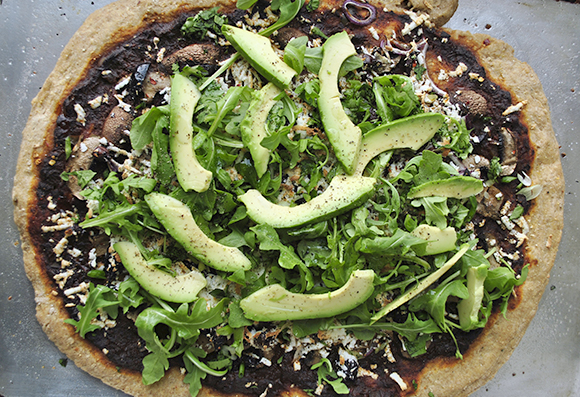
Tomato Chili Pizza


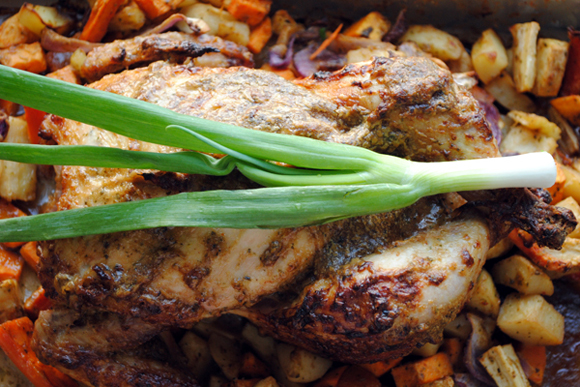
Asian Inspired Peanut Butter Roasted Chicken


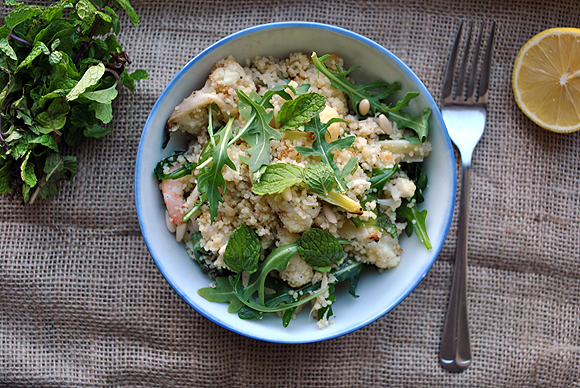
Couscous with Roasted Cauliflower and Shrimp


Fast, Easy Recipes: Canyon Ranch

I’m always looking for sources of recipes that meet my “pizza rule” for cooking.  (Things that take less time to make than it takes to order a pizza).

Stressful work requires good fuel.  Taking time to cook something healthy, satisfying and delicious provides that fuel  – but it also sends a clear message that you are taking care of yourself.  Canyon Ranch  has been teaching people this message for years.  They have a wonderful website with really delicious, easy and healthy recipes.

Recipe for Salmon with Mango Blueberry Salsa

 Photo credit


Recipe for vegetable soup

 photo credit

 Chicken-Tomato-Avocado-Quesadilla

Recipe Chicken Apple Quesadilla

 Photo credit

You are going to have to trust me on this one and try it.  This is the most delicious cauliflower you will ever eat

images

Recipe for Mashed cauliflower