Dr. Roger’s team custom engineered grass for every stadium (including the indoor NFL stadiums that have never had grass on the field) which was grown on different sod farms in the United States and shipped to the stadiums in the last few months.
Seeing the world through food… (at least 48 countries in the World)
“I can’t really saywhy I decided to cook, or otherwise procure, a dish representing every nation at the World Cup, except that I thought it might be kind of fun…”
Tim Murphy
In this article Tim Murphy recounts his family’s attempt to cook (or procure) food from each of the 48 countries “by eating, more or less in order, through the 12 groups of four teams who will meet in the tournament’s opening rounds.” The Houston Chronicle made it easy for those of us who live in Houston by creating a list of 48 restaurants where you can find the cuisine of the competing countries. And check out this blog that teaches kids why cooking is a lot like playing soccer!
On a more gentle note, I was touched by two different stories I read this week, both having to do with grief and the wind.
A little over 25 years ago Gus Guadagnino hung a windchime from a tree on the property he owned adjacent to the Suncoast trail near Spring Hill, Florida in memory of his mother. Other folks did the same and now there are over 100 different chimes hanging from the tree.
It must be a incredible experience to stand under this tree on a windy day…
The second story was about “wind phones”, old fashioned, disconnected, rotary phones placed in isolated, natural places that people use to “talk” to someone they have lost.
“Here they can say the things left unsaid. Wind phones offer a setting for the person to tell the story of their grief, to reminiscence and to continue to connect to the person who is gone.”
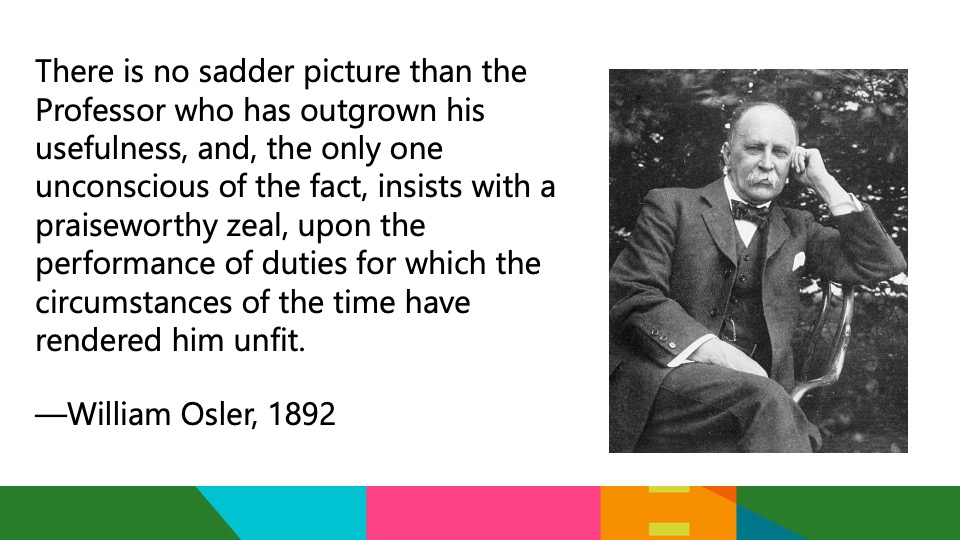
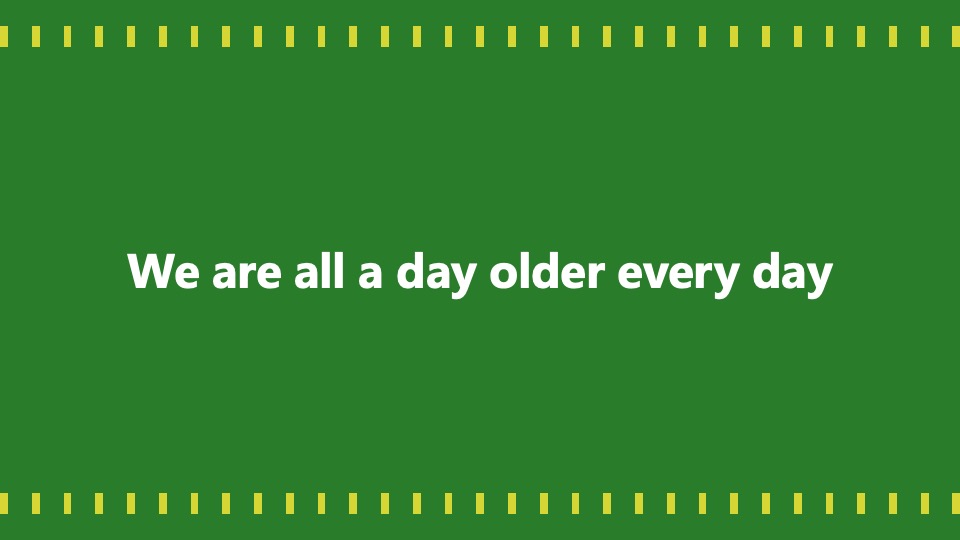
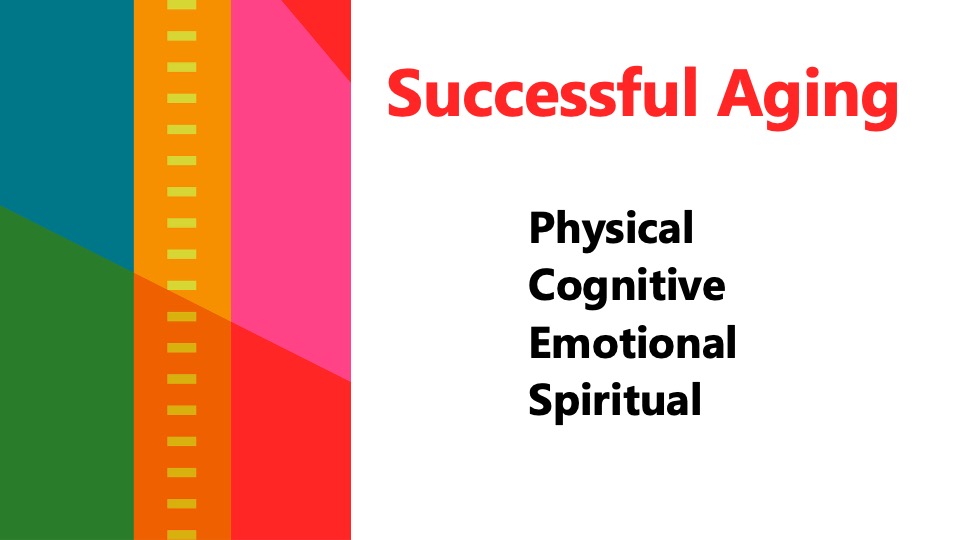
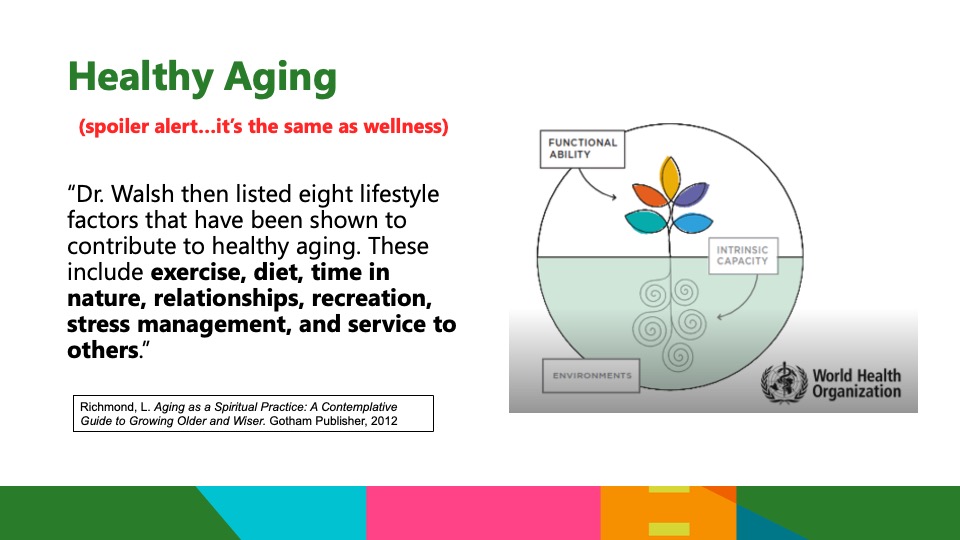
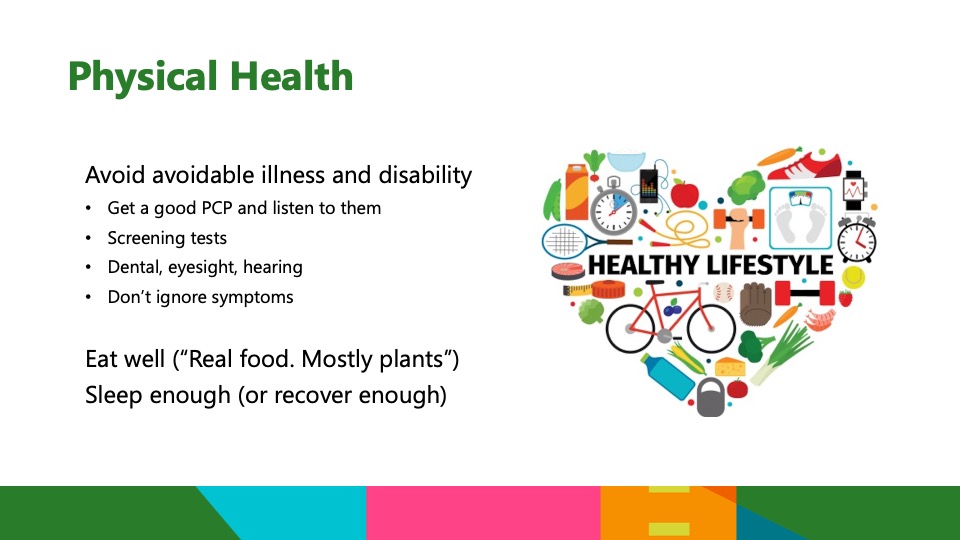
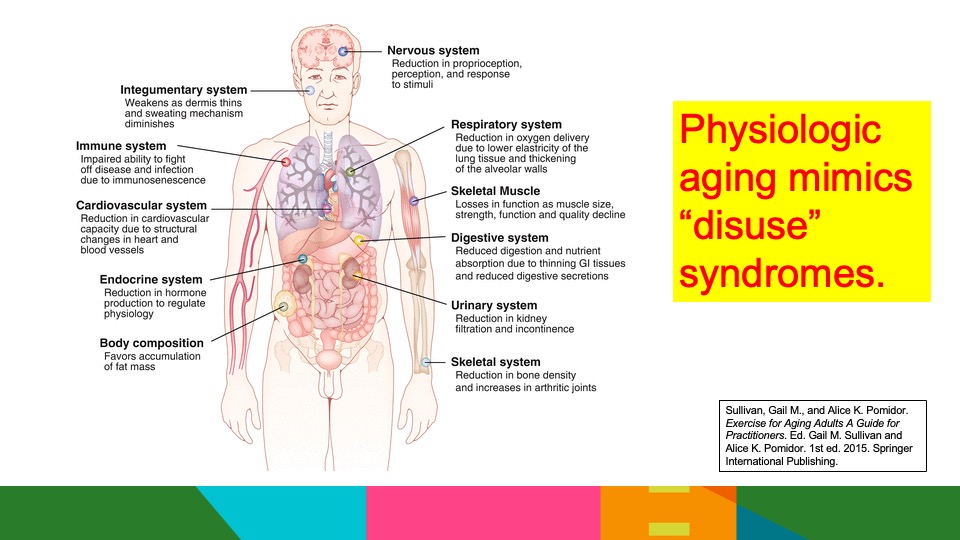
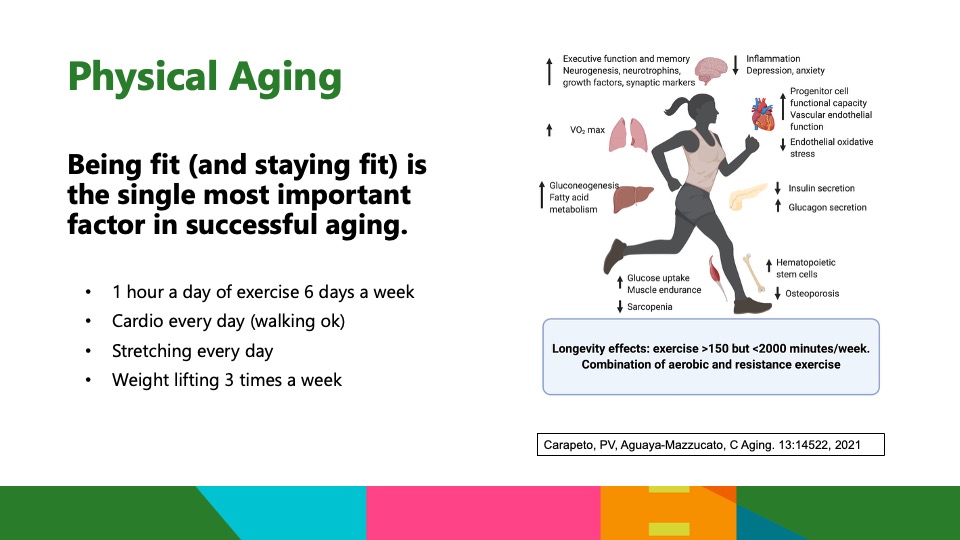
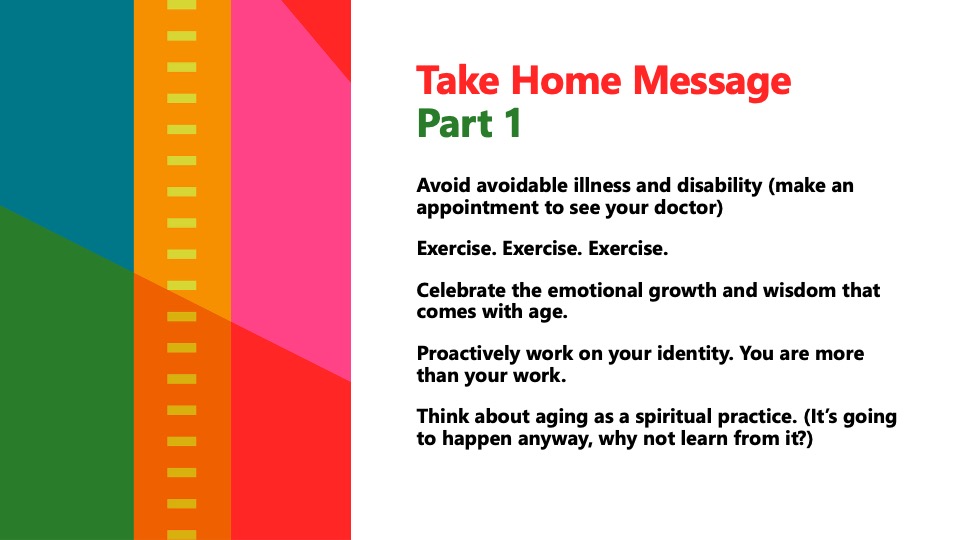
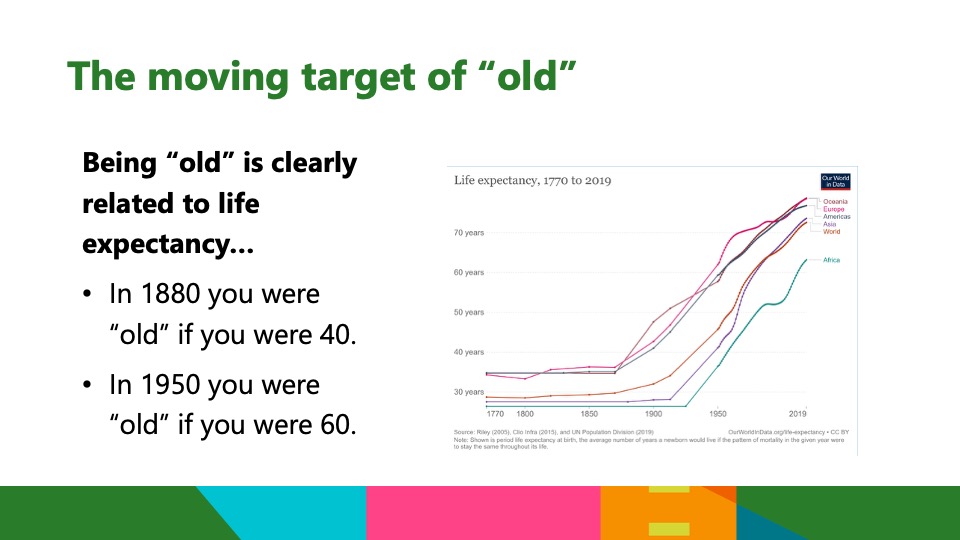
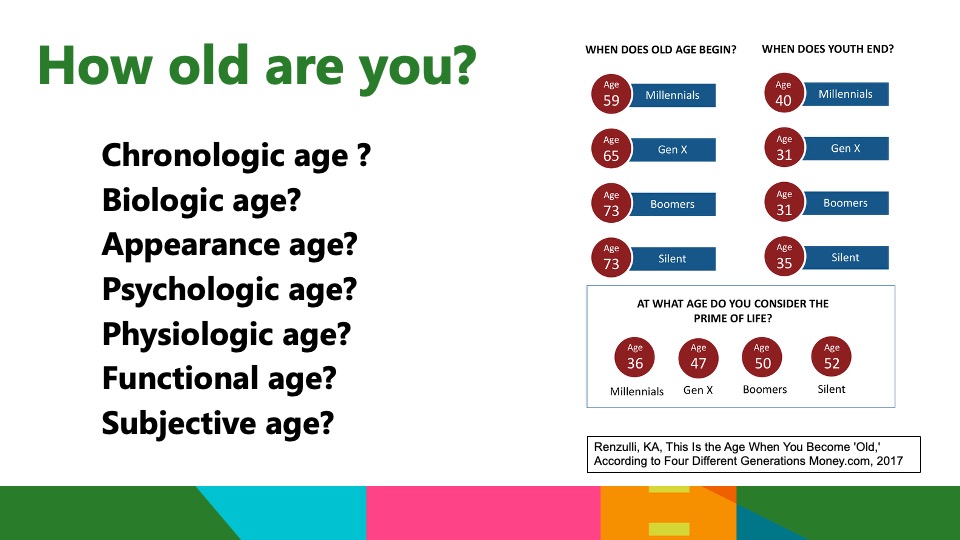
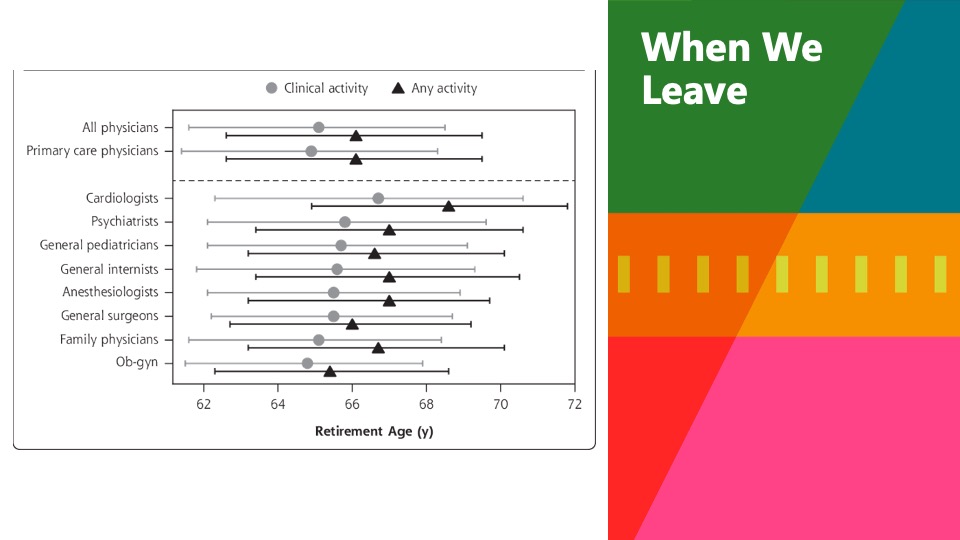
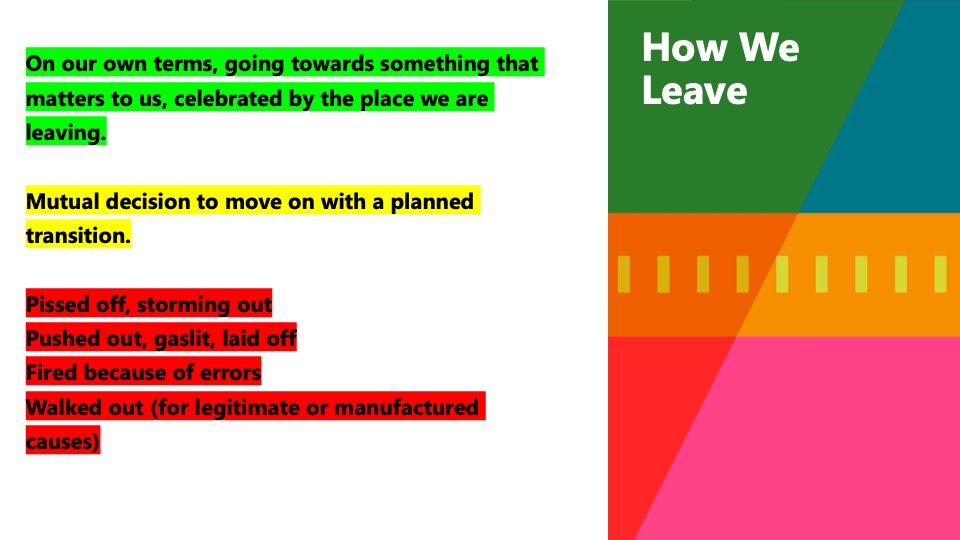
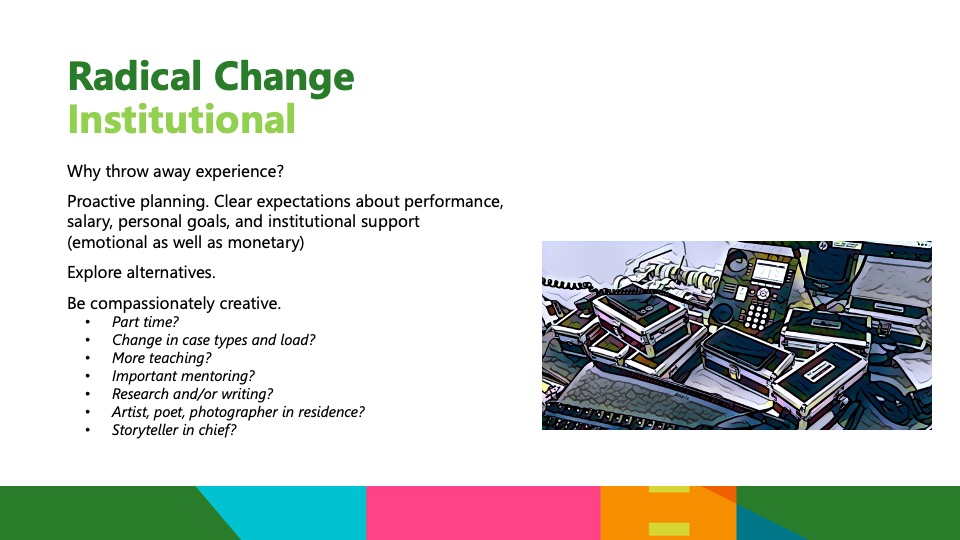
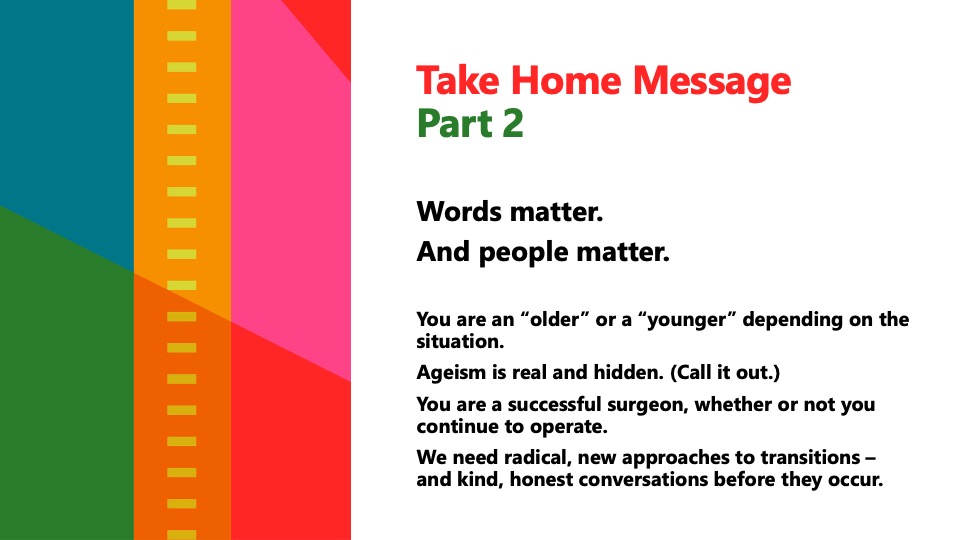
I was asked to give a talk with this title several years ago for the annual meeting of the American College of Surgeons. I was surprised at the enthusiastic response then, and more surprised at how many times other folks have asked me to talk about this topic since. I had a friend recently ask me if there was a link to the talk that they could share with others. It wasn’t recorded (that I know of), so I’m posting the slides here. I think they are mostly self explanatory, but if you have any questions, please let me know!
I hope it’s still true, but for many years the neurosurgery service at the hospital where I worked had a wonderful ritual. Every time a neurosurgery resident performed a case for the first time, they were sent to the cafeteria to buy ice cream for the entire team.
Ice cream (especially Blue Bell Vanilla…. IYKYK) is joy in a container, joy that can be expanded by using the simple and ancient practice of a blessing. Judaism has a long history, and many resources for blessing the routine moments in life, including a blessing for the first time something is experienced. You don’t have to be religious to adopt this practice – you just have to find how to acknowledge and appreciate the moments that inspire joy, awe, and wonder.
The power of this practice is amplified by writing them down, which is why I think it’s important for everyone learning to be a healer to keep a journal. There are many reasons a journal helps make sense of your experiences, but being able to relive these “first time” experiences years in the future will surprise and sustain you in ways you can’t imagine now.
So spend a few moments recording what happened, who was there, and how you felt the first time you hear a murmur, the first time you cry with a patient, the first time you see the miracle of birth, and the first time you bear witness to a family’s unimaginable loss. Look for first times that maybe aren’t so obvious, too, like the first time you meet a famous teacher, the first time you walk into a new hospital, the first time you get to park in the “good” parking spaces.
But most of all, record the moments you never want to forget… like the first time you hold a newborn during the magic hour when they are starstruck, looking around with open eyes and wonder (the most peaceful expression you will ever see on a human face).
So buy the ice cream for the first case.
And then … write down how blessed it made you feel.
Instructions for living a life: Pay attention. Be astonished. Tell about it.
Merriam-Webster defines a polymath as “a person of encyclopedic learning”, but that doesn’t seem to really convey the wonder of a true polymath.Because polymaths (at least the ones I’ve met) not only know a lot about a variety of topics, they are also passionate about them. You never feel that they have an obligation to study or a “goal” to learn…They usually convey a joy of learning (combined with extraordinary intellect) that leads them to their “encyclopedic learning”.
The universe is flat and may be shaped like a Pringles chip
This article explains why cosmologists (who study the cosmos, not makeup) are sure that the universe is flat. What they aren’t sure about is which of the 18 possible 3D flat shapes best fits what they currently understand about the universe.
Caffeine is a pleasure and, for many, almost a necessity. But caffeine can be a double-edged sword if you don’t understand how to use it to help with fatigue, sleepiness, and a need to study for exams!
Although this piece is directed primarily at medical students and residents, the information applies to everyone who uses caffeine to stay alert.
Disclaimer: Although I still follow my ancestors’ spiritual path, I have incredible respect for the varied traditional paths my friends follow…and for those who follow no specific spiritual tradition. This post, which is the text of a sermon I gave today, does not and should not imply anything beyond my desire to share… and to lift up love where ever we find it.
When the day of Pentecost had come, they were all together in one place. And suddenly from heaven there came a sound like the rush of a violent wind, and it filled the entire house where they were sitting. Divided tongues, as of fire, appeared among them, and a tongue rested on each of them. All of them were filled with the Holy Spirit and began to speak in other languages, as the Spirit gave them ability. Now there were devout Jews from every people under heaven living in Jerusalem. And at this sound the crowd gathered and was bewildered, because each one heard them speaking in the native language of each. Amazed and astonished, they asked, “Are not all these who are speaking Galileans? And how is it that we hear, each of us, in our own native language? Parthians, Medes, Elamites, and residents of Mesopotamia, Judea and Cappadocia, Pontus and Asia, Phrygia and Pamphylia, Egypt and the parts of Libya belonging to Cyrene, and visitors from Rome, both Jews and proselytes, Cretans and Arabs—in our own languages we hear them speaking about God’s deeds of power.” All were amazed and perplexed, saying to one another, “What does this mean?” But others sneered and said, “They are filled with new wine.”Acts 2:1-13
Artist unknown
Today is Pentecost Sunday, which marks the end of the Easter celebration and the beginning of what we call “Ordinary Time” in the church’s calendar.
(By the way, that’s ordinary as in ordinal… days we count…. Not ordinary as in mundane)
The first half of the liturgical calendar tells the story of Jesus – starting with Advent and ending today, with Pentecost. The second half, which starts tomorrow, tells the story of the people of God, the story of the community of believers that was born on Pentecost over 2000 years ago.
Before we enter Ordinary Time, we leave the Easter season with (literally) a bang… with wind and fire.
Let’s listen to today’s lesson again, this time from Eugene Peterson’s translation of the Bible…
When the Feast of Pentecost came, they were all together in one place. Without warning there was a sound like a strong wind, gale force—no one could tell where it came from. It filled the whole building. Then, like a wildfire, the Holy Spirit spread through their ranks, and they started speaking in a number of different languages as the Spirit prompted them.
There’s a lot to unpack here, but let’s start at the beginning… “They were all together”…
Who is “they” and why were they all together?
A little further in Chapter 2 of Acts, Luke tells us who “they” refers to. It’s the 12 disciples plus 120 other people who became believers because they had seen the risen Christ during the 40 days he walked among them.
So that’s who “they” refers to… but why were they all together?
The word Pentecost is derived from the Greek Pentakonta, and means “fiftieth”.
“Pentecost” is the Greek word for Shavuot, the Jewish festival that celebrates the gift of the first fruits of the harvest and the gift of being given the Torah at Mount Sinai. It’s a festival that happens 50 days after Passover (hence “Pentecost”). Pentecost, like Passover, was a pilgrimage festival – which meant everyone travelled to be together to celebrate. That’s why they were all in one place, to celebrate Pentecost… that and the fact that 10 days earlier, at the time of his Ascension, Jesus had told them not to leave Jerusalem.
It had been only 50 days since Jesus’ execution.. But the 12 disciples and the 120 new followers weren’t grieving…
They knew Jesus was alive, raised from the dead…Because for 40 days after his resurrection Jesus appeared over and over to not only the disciples but to many others. Scripture tells us that he appeared to more than 500 people on one occasion (1 Cor 15:6) and that he gave “convincing proofs to many other people” (Acts 1:3)
At the end of those 40 days, 10 days before the festival of Pentecost, Jesus ascended into heaven… but not before preparing his followers for what would happen on Pentecost.
“When they were together for the last time they asked, “Master, are you going to restore the kingdom to Israel now? Is this the time?”
Jesus answered, “You don’t get to know the time. Timing is the Father’s business. What you’ll get is the Holy Spirit…”The Message
Which brings us to the bang… the wind and fire
I suspect you learned the weird math of Western Christianity like I did. You know… the 1+1+1 equals 3 which equals 1? It didn’t make sense then, and it’s still hard to understand for me now.
Let me share some thoughts from Richard Rohr that may help:
Not exactly One, Christian mystics and teachers attempt to explain, and yet perfectly One; not exactly Three but yet Three… No wonder it took us three centuries to even find a word to describe such a nonsensical image of God. Note this for now: the principle of one is lonely; the principle of two is oppositional and moves you toward preference; the principle of three is inherently moving, dynamic, and generative.
One is lonely. Two makes you choose. Three is a community.
The mystery of the Triune God helps us understand that God is not “something or someone”, God is community, relationships, connection… “inherently moving, dynamic, and generative.”
Richard Rohr also reminds us that when we try to describe God, Christ, Holy Spirit, or even Love with words, we will never do it well. As he puts it “All theological language is an approximation, offered tentatively in holy awe.”
All theological language is an approximation, offered tentatively in holy awe.
richard rohr
It’s so hard to come up with words that let us grasp mystery… so we use images and metaphors. We talk of wind, fire, and water… as we grasp at trying to understand the majesty and mystery of a triune God.
God for us, we call you [Creator] God alongside us, we call you Jesus God within us, we call you Holy Spirit
richard rohr
Which brings me back to today’s scripture…
Without warning there was a sound like a strong wind, gale force—no one could tell where it came from. It filled the whole building. Then, like a wildfire, the Holy Spirit spread through their ranks, and they started speaking in a number of different languages…
God-within the disciples and those who had seen the risen Christ was ignited and “spread like wildfire”. God-within spilled out in the words they spoke… and not just any words – words in a number of different languages…Words that let everyone there hear the Good News in their own language.
Words that let them understand.
Words that connected each one of them to each other and the mystery of Divine Love.
It was so loud, so crazy, that the people who ran towards them to see what was going on thought they were drunk.
Today’s verse is followed by a sermon by Peter explaining that these people weren’t drunk… they were fulfilling prophesy. He walks them through the prophesy and then retells the story of the execution of Jesus on the cross and his resurrection from the dead, ending with “Therefore let the entire house of Israel know with certainty that God has made him both Lord and Messiah, this Jesus whom you crucified.”
We are then told that the people listening to Peter were “cut to the heart.” and began to beg him to tell him what they should do.
He told them to repent and be baptized.
The text continues with these words… “They were convinced by his arguments, and they accepted what he said and were baptized. That very day about three thousand were added to the number of those converted.”
The Church was born.
There have been ~70 generations of human beings since that moment.
Which means..
It is highly probable that one of your biological ancestors was there…
And it is certain that at least one of your spiritual ancestors was there.
…Because we are part of an unbroken chain of spiritual inheritance kept vital and alive by the roaring wind and tongues of fire of the Holy Spirit present within us and around us … then, now, and always….
God for us, we praise you and call you [Creator]
God alongside us, we praise you and call you Jesus
God within us, we praise you and call you Holy Spirit
And all God’s people say…
Amen
Claire Tabouret’s design for one of six stain glass windows depicting Pentecost for Notre-Dame cathedral
Sermons are meant to be heard. If you’d like to listen to this one, it will be posted here.
ACHOO may be one of the best acronyms for a physiologic condition I’ve ever seen. It stands for Autosomal Dominant Compelling Helio-Ophthalmic Outburst. The ACHOO syndrome refers to the inherited trait of sneezing when you are suddenly exposed to bright light (like walking outside into bright sunlight). It’s also called photoptarmosis (from the Greek phōs, “light” and ptarmós, “sneeze”)
El Niño is the name given to powerful shifts in Pacific Ocean winds and water temperatures that can drastically transform global weather patterns. Over the centuries these natural patterns have sparked epic droughts and heat waves, and have intensified epidemics.
I cooked this recipe for the first time this week and, in keeping with my promise to add more topics to support students, residents, and busy docs, decided it was worth sharing. Start with the basic recipe and then change it to your taste (I’m adding some whole almonds and cashews next time).
Take a bag of this granola with you when you are on call to mix with yogurt – or just grab handfuls when you need some healthy calories.
p.s. I substituted olive oil for the vegetable oil which was delicious and probably a little healthier
p.p.s. If you do the math, this is incredibly cheap compared to commercially made granola, granola bars, or other grain based snacks
p.p.p.s I have used #CallFood for years on social media (Bluesky,Facebook, and Instagram) as a hashtag for recipes that don’t take long to cook, taste great, and are healthy (In case you are looking for more suggestions.)
I started this newsletter/blog years ago as a way to support trainees (medical and other students, residents, and fellows) as well as colleagues. If you’d been here for a while, you’ve probably noticed that my interests have expanded and so have the topics I write about! The expansion of the topics represents a new season in my life and the cool idea I got from Austin Kleon that you should write a newsletter directed to the people you want to meet.
But here’s the thing… trainees and practicing healers are high on that list for me! So I’ve decided that I’ll return to some posts directed at those very special people… like today’s post on hints for people who want to buy you presents. Feel free to forward them the link :-).
In an attempt to educate family and friends (and an interesting way to organize what would otherwise be a somewhat boring list), here’s a look into the average day of a medical trainee. (I’m using a surgery intern as my baseline, but with some variation this schedule applies to just about anyone training to be a healer.)
“Dark-thirty” is the classic time trainees have to wake up. No matter the actual hour, it’s always early…and it’s hard! Everyone uses their cell phone as an alarm, but some need a bit of extra help…
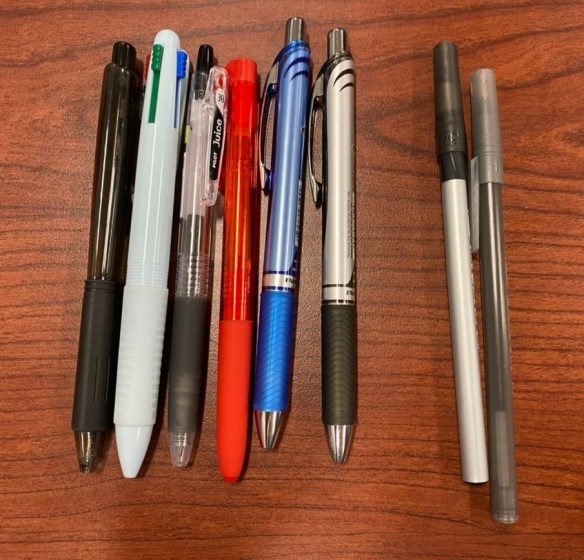
(From the time I asked my team at the hospital to take the pens out of their pockets so I could take a picture of them)
The “scut” (i.e. to do) list is almost always on paper, which is a great opportunity for the perfect pen….and a second (or third cup) of coffee or tea that stays warm until the end of rounds;
Head to your assigned task for the day (OR, procedural suite, clinic, inpatient care)
Comfortable shoes – the link is to a post with my favorites, but there are always new, great shoes that come onto the market and are quickly adopted by people who have to stand on their feet all day. Ask for the latest!
Good socks – I swear by Bombas, but the key concept here is to not skimp.
Spend an inordinate amount of time entering data into a computer
Overhage JM, McCallie D Jr. Physician Time Spent Using the Electronic Health Record During Outpatient Encounters: A Descriptive Study. Ann Intern Med. 2020 Feb 4;172(3):169-174.
A subscription to one of the streaming music services (to get rid of the commercials while you are listening to music)
A good lunch box (or two). For just lunch anything will be ok. For call days (multiple meals and snacks) a hard insert slightly larger lunch bag has always been my favorite.
Exercise is ESSENTIAL for so many reasons… but we tend to have an “all or nothing” default when it comes to exercise. We plan a 30-minute stop at the gym on our way home… but then we are 10 minutes late out of the hospital… and then the traffic is bad… so we decide not to go at all. The key is to do something (anything) rather than abandon the workout all together, to shift from “all or nothing” to “something or nothing” as your mindset. Here’s a few gifts that might help in that endeavor…
A membership in the gym that’s closest to them (or better, ask them to tell you which gym will work the best for them)
A bicycle (if they live close enough and this might be a good way to commute)
This is essential. Downtime with music, visiting with friends, taking a walk outside, or whatever works for you are necessary to reset and heal from our work.
A cleaning service to free up time (and keep their space clean)
Cooking at home for busy folks has to meet the “pizza rule”* – but it’s more than worth it. Cooking for yourself is a great way to care for yourself, eat better, and have leftovers! Fortunately, there are a lot of ways to hack eating well so you don’t find yourself repeatedly getting food delivered (or eating too much fast food)
Gift certificate for a local company that delivers prepared (healthy) food
*Whatever you decide to cook has to take less time to prepare than it takes to order a pizza.
Sleep
Sleep is foundational.
Sleep is foundational.
Sleep is foundational.
(Yup, repeated on purpose. Everything is harder if you haven’t slept well… thinking, moving, your mood, your interactions, and maintaining your health.)
Don’t skimp on the things that make it easier to sleep well.
It turns out that the key thing is to look at the grille shutter to see if there is anything stuck in it. If it’s stuck open there isn’t a problem. If it’s stuck close it’s still not life (or car) threatening unless the engine overheats. Sounds straightforward… but, you have to know where to look.
Since (of course) we were over 200 miles from home when this happened, we went to the local dealer and asked if there might be someone who could look to see if it was stuck open or closed.
“We’d have to run a full diagnostic scan first.”
“But we just need someone who knows where to look to just look.”
“We can’t do that. There aren’t any technicians available and they require the scan first.”
(At this point we decided to take our chances and assume it was open)
“You know, we are both doctors…”
He interrupted to say “So you know how important CT scans are!”
I smiled and said, “Not if all you need to do is pull out a splinter.”
The art of diagnosis in medicine starts, very importantly, with the story. It’s actually astounding how often that will make the diagnosis. At the very least, it narrows down the possibilities. (which we call “the differential”).
The physical exam is next, to refine the differential diagnosis and guide you in deciding which tests to order. Even if the triage team has ordered the tests first (like in a busy ER) it’s still very important to go through these steps in order, starting with a “blank slate” so you don’t fall into the trap of the many ways our brains succumb to bias (especially anchoring bias).
What makes this process, the art of diagnosis in medicine (as opposed to my car) unique is the intent. Because we always go through this process for someone else.We make a diagnosis as the first, important step in healing another human being.
We don’t “diagnose” a bird when we go birding. There are some similarities – We look at “field marks” and listen to the songs the same way we collect data from a patient. We also create a “differential” i.e. the list of birds that fit our findings.
But there’s is one big difference – the intent. Birding is not something we do for someone else, it’s something we do for ourselves.
Photo by Mary Brandt (on the way to High Island via the Bolivar Flats)
There’s a reason so many people flocked (no pun intended) to parks during COVID to take up birding for the first time. It’s a focused way to be outside and experience a little bit of forest (or lake, or field) “bathing”…to connect with sounds and sights that resonate on a soul level.
Anyone who birds a favorite park over and over knows intuitively why they keep going back: It just feels good. Being in nature—pausing in it, sitting with it, discovering its wonders—brings a sense of calm and renewal.
I love it when I discover someone working hard to help heal the world. The byline of Dadbriefs.com, where Slade Wentworth shares his work, is “Food. Fun. Fatherly Wisdom. Recipes for Resistance” – which perfectly encapsulates this funny and inspiring site.
Check it out. It will make you think, it will make you smile, and it may propel you into the kitchen to cook something wonderful for your family and friends.
There’s something deeply American about mac and cheese. It’s comfort. It’s family. It’s the thing you make when you want everyone around the table to feel safe and cared for…That’s exactly the feeling I want for every kid sitting in a classroom in this country. Safe. Cared for. Set up to succeed.
slade wentworth
Here’s another wonderful site to add to your list if you need a daily dose of awe (and who doesn’t?) …
Astronomy, as nothing else can do, teaches men humility.
Arthur C. Clarke (1917-2008):
It’s the beginning of spring migration in the Northern hemisphere. At its peak there will be hundreds of thousands of birds flying over you, mostly at night.
Birdcast.org is a wonderful site from the Cornell Lab of Ornithology (also the makers of eBird) that provides data and tools for you to wonder (and feel wonder!) about this beautiful spring event.
“may my heart always be open to little birds who are the secret to living”